As Frisco heads into Election Day, the questions are no longer about campaign signs or polished mailers. The real story, who is pulling the strings behind the curtain. Every election has an establishment candidate, the one blessed by the insiders, donors, consultants, and political networks that have spent years shaping City Hall. The question voters should ask is simple: who benefits if nothing changes?
Then there is the growing debate over information, polling, and voter perception. Are voters receiving objective facts, or carefully crafted narratives designed to steer them toward a preferred outcome? One factor nobody can ignore is Frisco’s changing demographics. Muslim and Indian voters have become an increasingly significant force in local elections, not because they vote as a monolithic bloc, but because their numbers and civic engagement continue to grow. Candidates who ignore those communities do so at their own peril.
And finally, there is the question many residents continue to discuss: was the FunAsia podcast controversy simply an interview gone sideways, or was it part of a larger political operation to set up a candidate to look like a racist? Let’s jump right in and start spilling the tea.
Mr. Establishment: Mark Hill
As we said, every campaign cycle has an establishment candidate who is blessed by the insiders, donors, consultants, and has already participated in helping shape city hall. In this runoff Mark Hill is 1000% the Establishment (Cheney 2.0) for the City of Frisco.
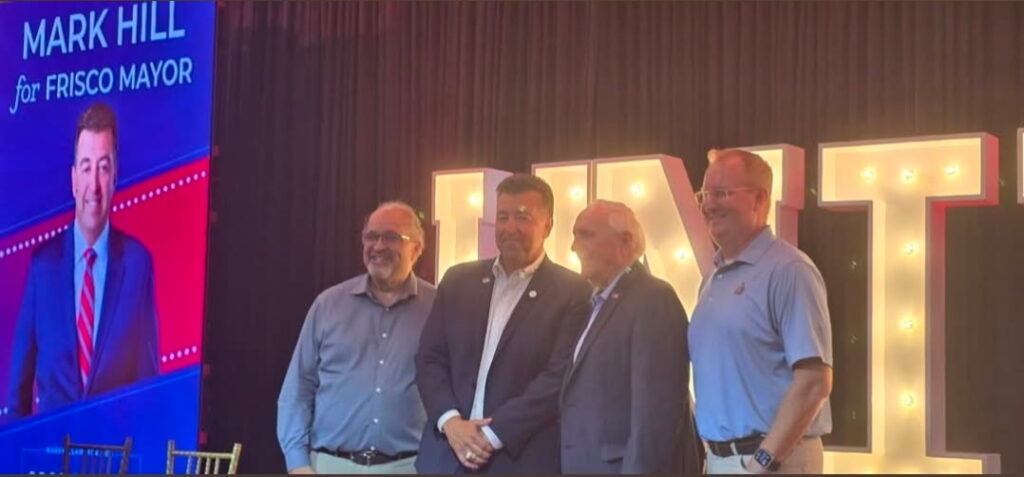
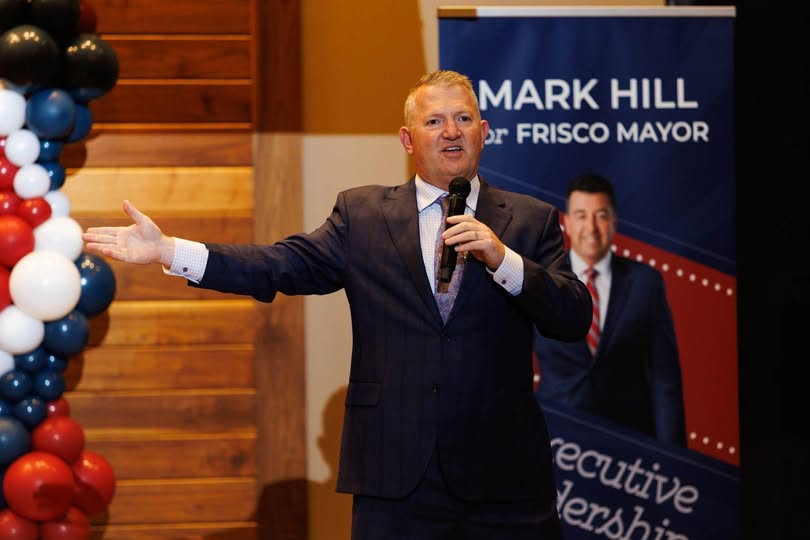
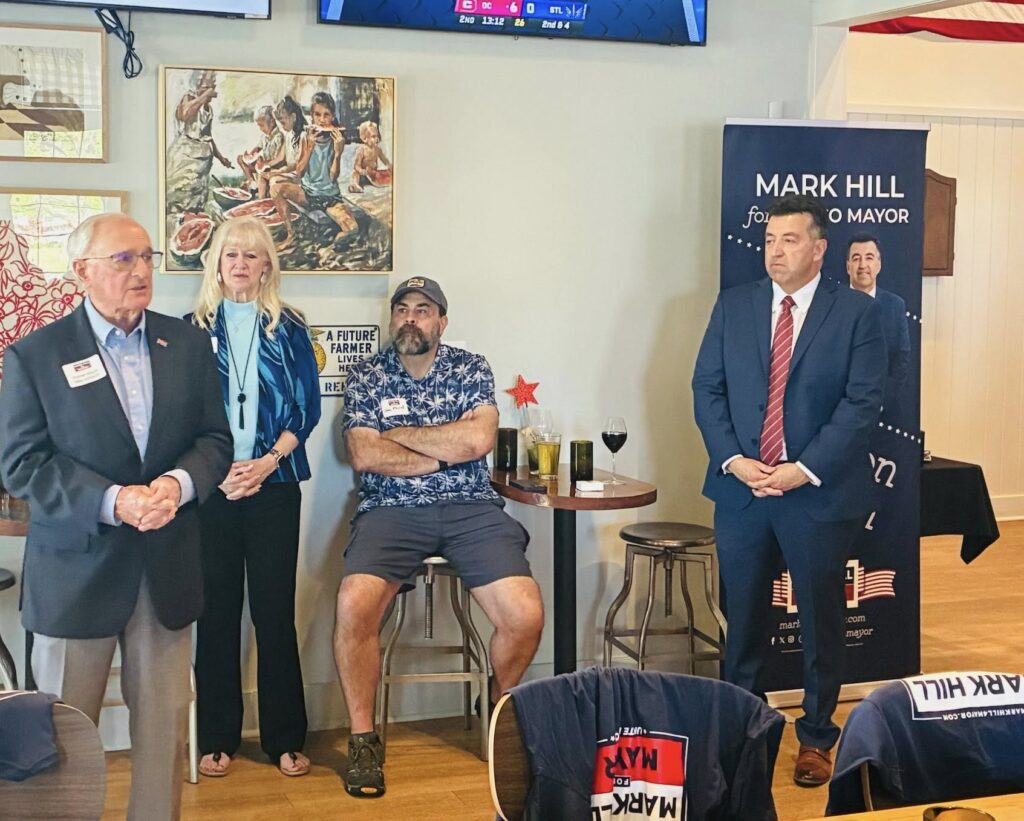
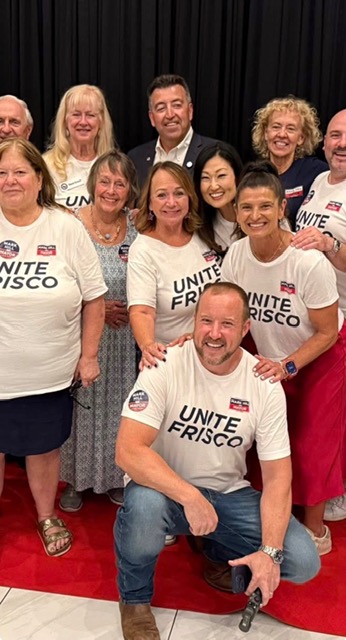
As President of Frisco ISD Board of Trustees, Mark Hill has had a seat at the table for many of these public private partnership deals which have helped shape Frisco. He is already up to speed on what is in some of those fine details they don’t want residents to see. Next, look at his campaign photos, it is a Who’s Who of Frisco Insiders and Establishment.You see their faces in every campaign online like, Tracie Reveal Shipman, Karen Cunningham, Lisa Kirby, Councilwoman Laura Rummel, Councilwoman Ann Anderson, Former Councilwoman Tammy Meinershagen, Jason Young (Developer), Steve Cone (P&Z), and many more. Then there is the campaign social media team made of the alleged town online bullies such as Sean Merrel (currently on planning & zoning), Jake Petras (now in Real Estate), Lance Taylor and the newly minted Jared Tye (Real Estate).
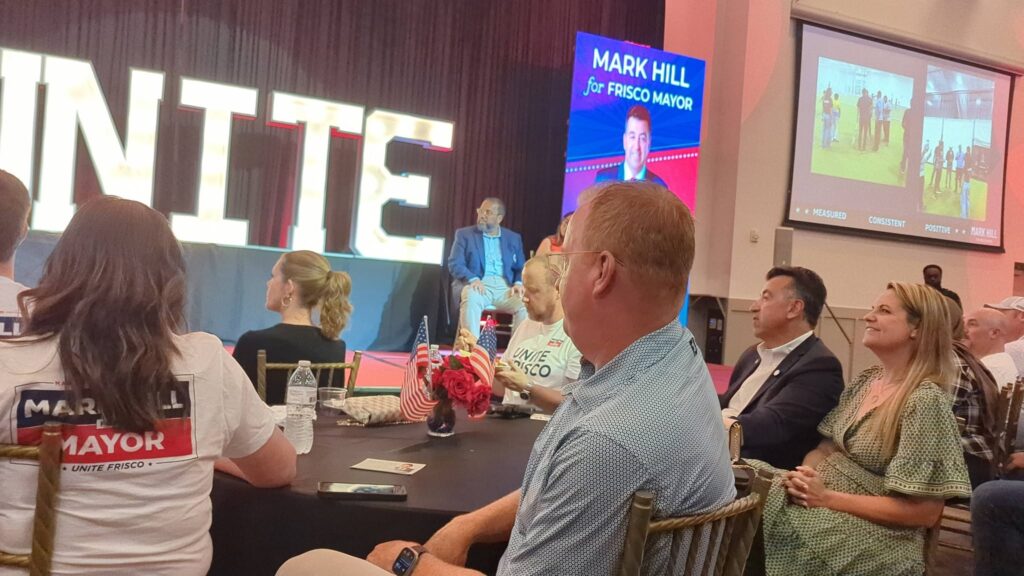
Jeff and Dana Cheney sitting at the Unite Party with Mark Hill and his wife.
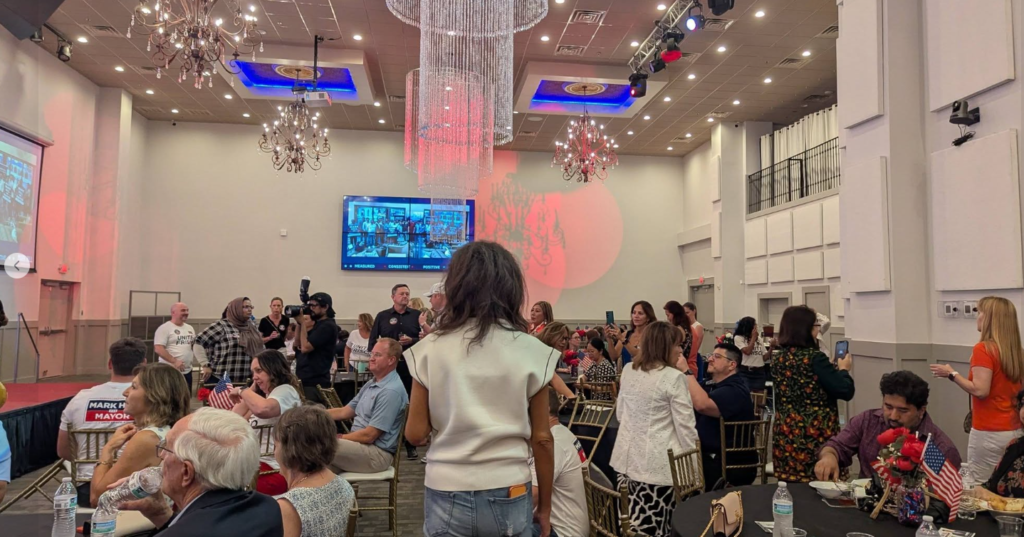
After watching several campaigns, one thing the Establishment knows is they cannot put Cheney out front for Hill, because it will automatically polarize a portion of the audience whose vote they are campaigning for. While Jeff Cheney has kept a low profile, his Cheney Cabal aka “The Establishment” has been hard at work around the clock for Mark Hill. Now, you are asking what proof do I have that Cheney is in full support of Mark Hill? It is posted online! Just this week Mr. & Ms. Prom Queen and King – Dana and Jeff Cheney went to Mark Hill’s Unite Frisco event and sat with them at the same table. The room was full of the same powerful friends I jokingly call the top 100 insiders.
In Frisco, the establishment campaign team works overtime to attack the new candidate on the block. They have done year after year, campaign after campaign and will go to any length to win even if it destroys a good person’s reputation. The Establishment campaign must win – everything, and I mean everything rides on it!
The question voters should ask is simple: who benefits if nothing changes?
Fun Asia Podcast – Set up or Real?
What is FunAsia? It is a podcast that became a topic in the Frisco mayoral race after interviewing both Mark Hill and Rod Vilhauer. The podcast is conducted through the South Asian media network known as FunAsia, which operates multiple radio stations, video programming, and podcasts serving the Dallas–Fort Worth South Asian community.
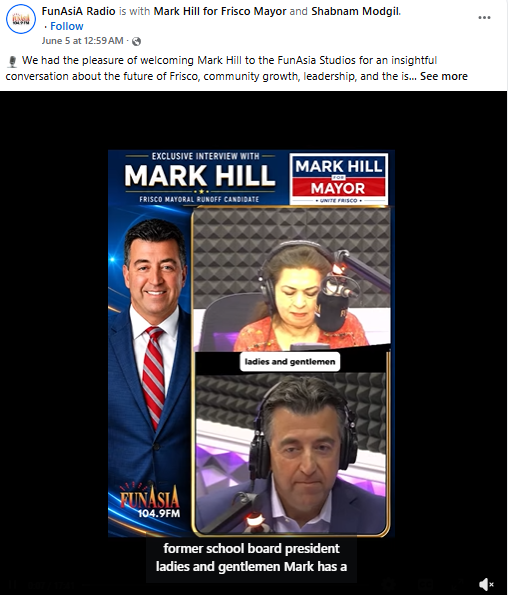
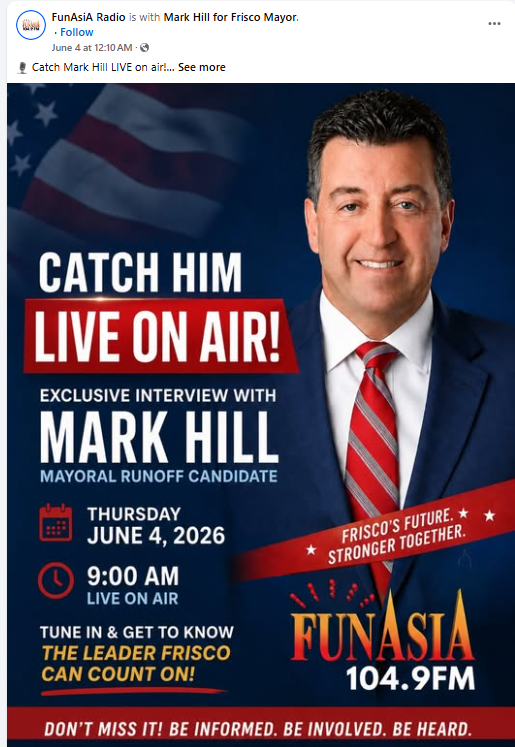
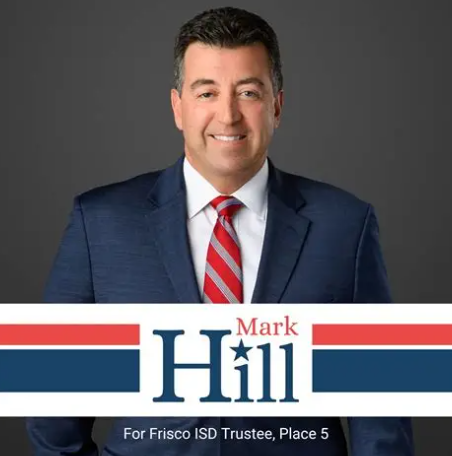
On June 4, FunAsia Radio posted voters could catch Mark Hill “Live On Air” at 9am – so tune in. On June 5, FunAsia Radio posted the Hill and not to far into the interview the host talks about the negative impact outsiders are having at city hall meetings, and that local South Asians don’t feel welcome who live there. She then looked at Mark Hill and said “as Mayor, when you are Mayor Mark Hill, what will you say to residents to make sure everyone feels welcome. What stood out was how she smiled sounded excited and said “when you are Mayor Mark Hill” clearly showing a preferential bias in her reporting. Then look at both images for the interview – Mark Hill’s true images appear in the marketing for the interview.
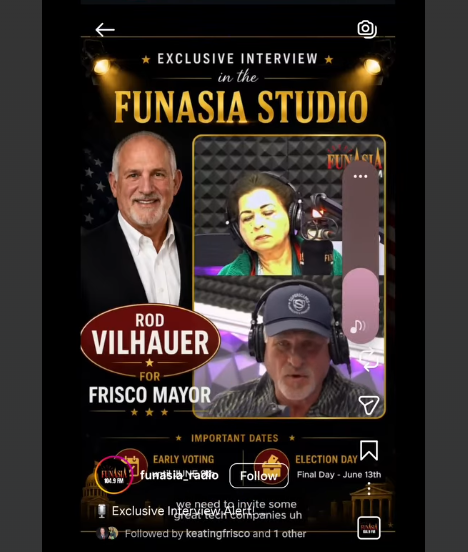
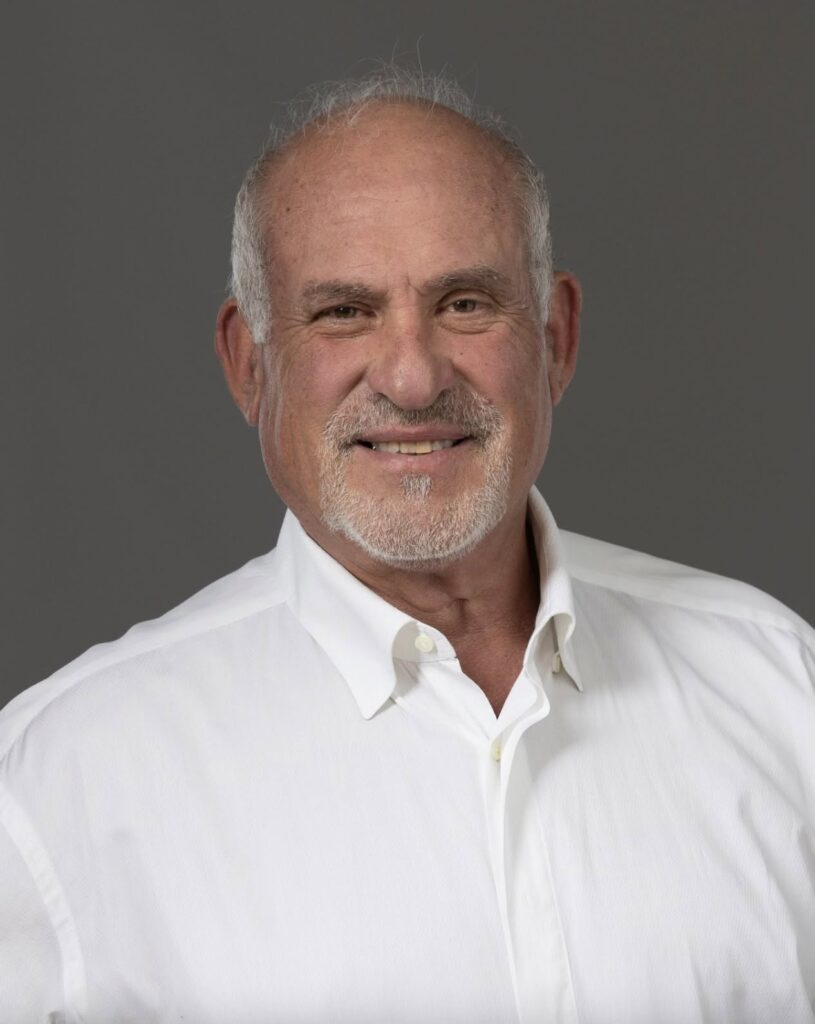
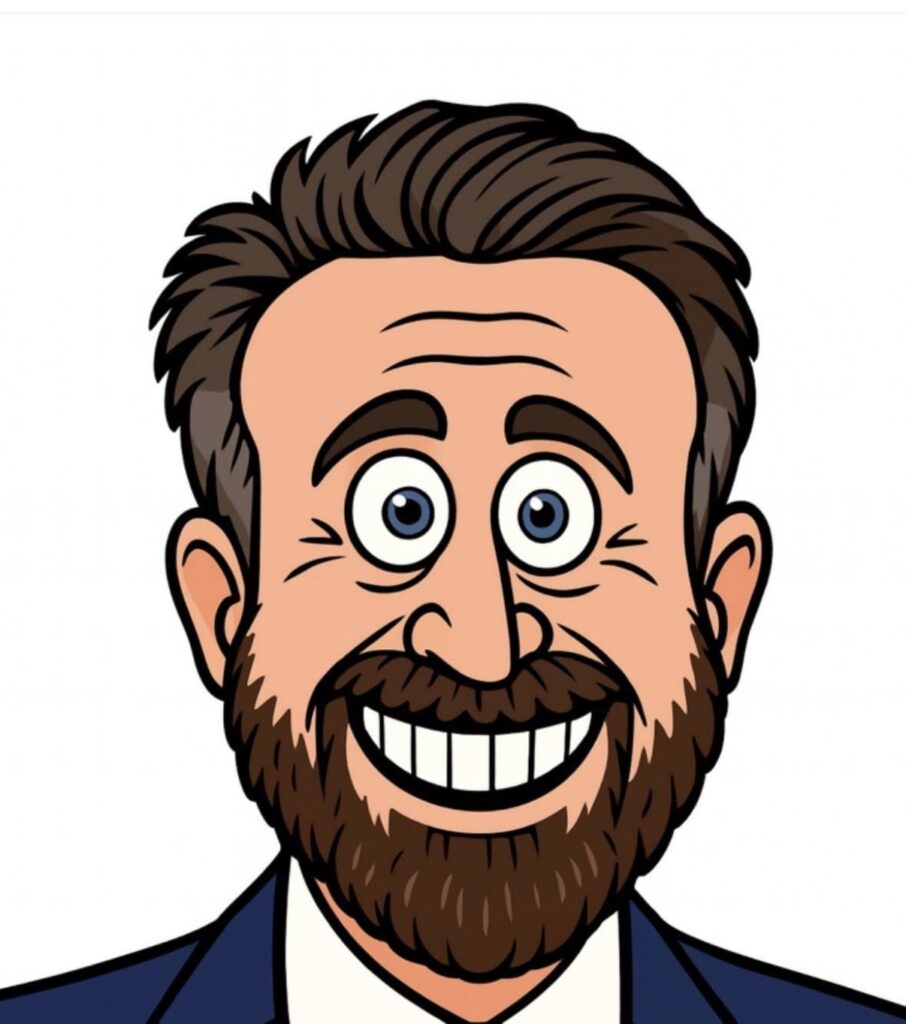
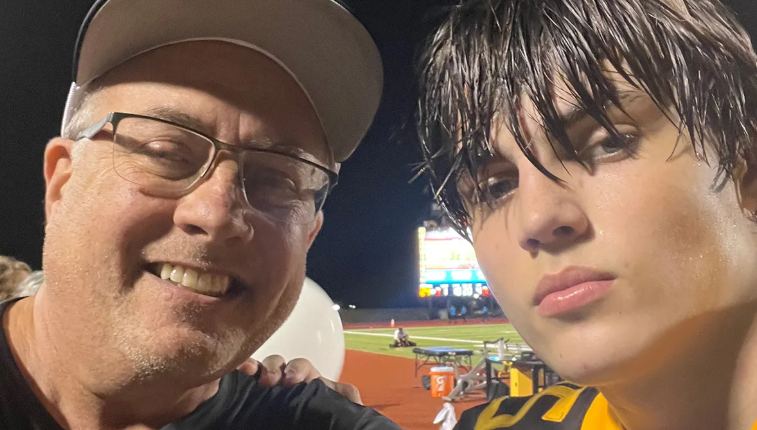
Now compare Hills interview to the FunAsia interview with Rod Vilhauer, it was very different. Starting with the advertising, the image of Rod Vilhauer is clearly not Rod Vilhauer. If you google his name, there are a ton of photos of the candidate, and it is clear this is an AI created image used in FunAsia’s marketing. Why was Mark Hill’s perfect and Rod Vilhauer clearly manipulated? Pictures of the Real Rod Vilhauer below.
Next the tone of the interview was a little different, and the host never really seem “excited” like she did with Mark so that showed the next clear difference. When the interview comes out, an immediate reaction about comments that appeared to disparage Hispanics where cut and pasted all over social media by Hill supporters. Then Fun Asia announced they removed the interview and put out an apology. Many people never even caught the full interview. If you look today the only thing out there are bits, clips, posted by Hill supporters and they sound manipulated if you watch Rod in the live box.
It is clear FunAsia manipulated his appearance in early marketing, so is it possible this was a set up or manipulated too? Was Hill’s campaign team involved in the setup? It is a fair question. Frisco Chronicles heard from a campaign insider with the Vilhauer team they were shocked the interview had been pulled as they had not even heard it yet. The public fallout surrounding candidate interview, removal, station apology, and has only fueled speculation. The problem, since FunAsia removed the interview so fast, even if they were to repost it now – you can never prove if it was or was not manipulated to make Rod look racists.
Unite Frisco or Manipulate Frisco?
Unite Frisco is about bringing everyone in Frisco together according to Mark Hill, especially the South Asian community. If Mark Hill is about Uniting Frisco – then why is he surrounding himself with certain people who have clearly showed past poor judgement that some may call “racist” to the same South Asian community Hill is trying to court now.
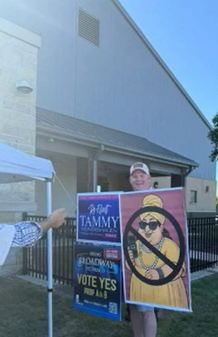
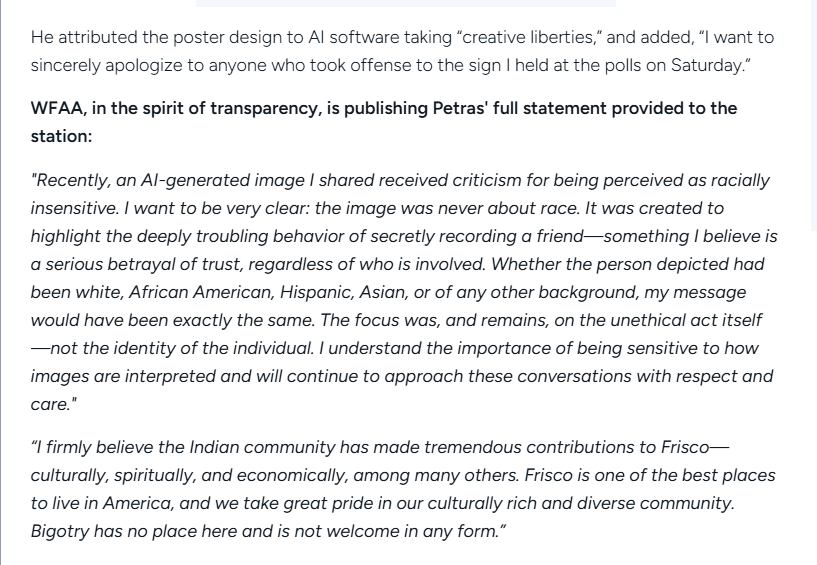
Example #1: Mr. Jake Petras made the news last year for holding up what he claimed was a picture made by AI of a South Asian woman, wearing a turban that clearly looked similar to a candidate that year in the race. Petras told WFAA, Jobin Paniker that he was sincerely sorry to anyone who took offense to the sign,” then went on to say AI took creative liberties when making it.
While many believe Petras and his apology, Frisco Chronicles wants to know where did he got such a large sign printed to have that day at the polls? Something like that takes time and planning. Frisco Chronicles would like to know how is what he did at well-known South Asian Polling Station on election day, any different than alleged statements made by a campaign candidate. Petras wants forgiveness and for it go away but wants to hold Rod Vilhauer to the cross for statements he has already corrected and apologized for. However just hours after his aired Petras posted on a local social media page that several statements where it sounds like doubles down on his decision being a good idea.
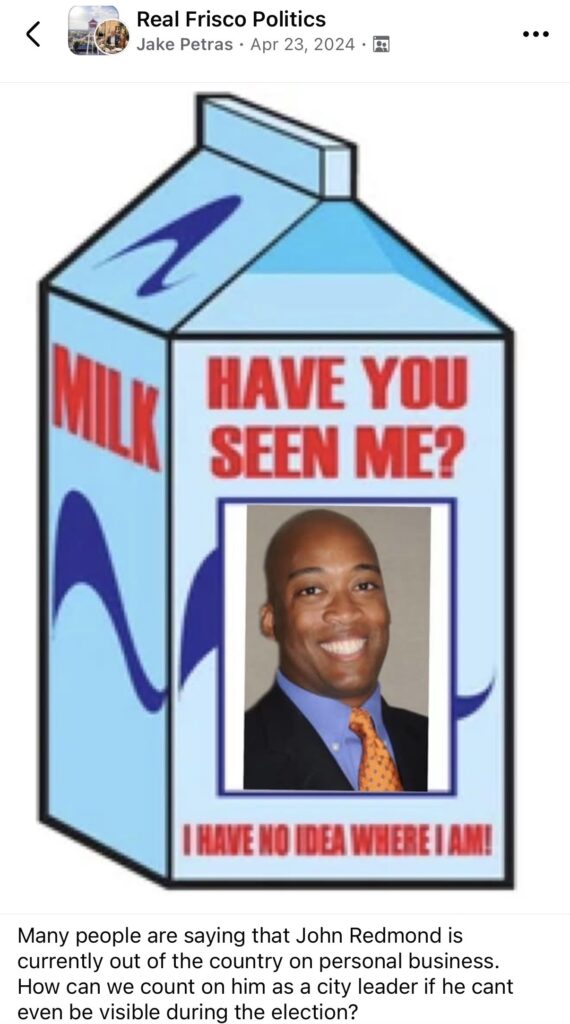
These are not the only questionable decision by Jake Petras. There was the time he put another candidate’s picture on a milk carton – and that candidate happened to be black. Then there was when he wanted to make fun of Jared Elad our Jewish Councilman and use an AI photo with I guess one say enhanced features. They art in interpretive – so do you see a pattern or just some funny art?
ScreenshotScreenshot
Example #2: Tammy Meinershagen
I know a lot of folks criticize the Tammy Tapes and the fact that we took out the second person in the recording to protect their identity, what Tammy said in those tapes still stands. Tammy Meinershagen and only Tammy is responsible for her comments. All the people on the Hill campaign today let her slide by last year after these comments were unveiled and now, she is a huge Mark Hill supporter?
In the recording Tammy Meinershagen can be heard making fun of the number of Indian Festivals, then she goes on to say the Indian Community is living a different world, lastly, she questions if any of the Indians at these events are voters. Listen to Tammy talk about diversity in Frisco by clicking here. In another video she talks about how she had a conversation with Gopal Ponangi where she told him he failed to get the bonds voted through, failed to balance the budget and how that is kind of an issue. She talks about how she asked him how he would do at city council if he couldn’t handle the Frisco ISD BOD. She then said she told Gopal that the citizens don’t have confidence in FISD leadership at that moment, and how his time of Frisco ISD School Board was a failure. Question for Tammy today, if you could not support Gopal last year then how can you support the FISD Boad of Trustees President Mark Hill this year? Are we just going to overlook that now?
To top it off Tammy Meinershagen biggest supporter was caught delivering hateful nasty mailers about South Asian Indian, Burt Thakur running at the time. A local PAC was responsible for them allegedly run by Tracie Reveal Shipman. Both support Mark Hill for Mayor. Read about it by clicking here.
Unite or Manipulate
How can Hill allow certain people to who have displayed South Asian hate be on his team be proud of them as his supporters. For example, at his big Unite Frisco event this week right by his side was disgraced Tammy Tapes Meinershagen. If the community wants to up in arms about what Vilhauer said, then they should hold Meinershagen to the same level of criticism but instead last year they swept it under the run and blamed anyone else they could.
We released the full transcript last year between the two participants to show it was not manipulated. Tammy is responsible for what she said and now she is part of the Mark Hill Unite Team. None of these people in the photo at Mark’s Unite event had any issue with Tammy’s statements last year and blamed us for publishing them, blamed the other participant, but never blamed Tammy Meinershagena sitting councilwoman.
Honestly, it’s embarrassing how easily the Establishment manipulates our South Asian voters. Oh, this man is bad, he is racist – vote for us, donate to us, all the while the campaign is texting fake numbers by a Muslim Inman showing Mark Hill wining to again manipulate to scare South Asian voters.
has said then they should hold Tammy Meinershagen to the same level of criticism because last year she got a pass claiming Frisco Chronicles manipulated her words which clearly the full transcript published shows we did not.
Rod Vilhauer
Then you have Rod Vilhauer who calls himself a man of the people and wants to put Frisco First. Vilhauer has tripped over a few of his comments and apologized publicly for them. Is he a perfect man? No. Has he claimed to be? No. Has he promised to do his best for all Frisco Residents in every corner of this city? Yes.
Let’s just be honest, Rod is not the best at public speaking, and he probably should not do anymore podcasts. But look at his page and the diversity of supporters on it and tell me the one thing every video has in common. He has been a good friend, supportive of their businesses, a leader, at his core is a sincere human being. Looking at his page, it is full of new faces, a new excitement in this city.
Ask yourself why so many attacks across social media groups and pages by Hill voters to paint Rod Vilhauer as a racist? Hill should take inventory of his own camp. That one word, along with the implication of hate will drive voters to be fearful and end up voting for the establishment. Voters stop asking questions and that allows manipulation and fear voting to take over.
Following Rod’s campaign online you see new people getting involved, new faces getting political, regular residents coming forward and standing up for him. The new faces are not “FRISCO INSIDERS” or part of the “FRISCO ESTABLISHMENT” which is refreshing.
What Frisco Chronicles finds refreshing about him is that 1) he admitted he was wrong, 2) he openly apologized for those comments made early on his campaign and 3) he asked for the South Asian, Hindu Indians to forgive him. I respect a man who will stand up, admit his failures, and do the right thing. No one in Hills camp has taken inventory of their mistakes.
Be Sure At The Polls
It is my opinion and only my opinion that Mark Hill is Cheney 2.0 and I want a different direction for our city. Follow the endorsements, follow the money, follow the consultants, and suddenly the picture becomes much clearer. The battle isn’t just between candidates anymore; it’s between competing visions of who gets to influence Frisco’s future. In the age of social media, podcasts, targeted messaging, and selective data points, campaigns can create an illusion of momentum that may or may not reflect reality. Frisco voters deserve to know whether they are seeing authentic community sentiment or a political marketing campaign.
At the same time, many voters are asking whether certain political organizations, advocacy groups, and community influencers are exercising outsized influence behind the scenes. These questions are part of a larger conversation about representation, political power, and who ultimately gets a seat at the table in one of America’s fastest-growing cities.
The public fallout surrounding candidate interviews, removals, apologies, and subsequent appearances has only fueled speculation. Whether voters see it as media bias, political pressure, damage control, or simply a business decision may depend on their perspective. What is certain is that the episode became one of the defining flashpoints of this election season.
Hill has nothing else to attack Rod Vilhauer on other that being unfit for some comments. His followers and voters have been all over social media doing anything and everything to make Rod Vilhauer look like a racist and hateful person. Talk to him if you see him at the polls – it simply is not true. All I have heard from everyone who talks to him is he has been kind and gracious.
Frisco Chronicles believes voters have the right to make the decision that best suits their home and family but the amount of potential vote manipulation that has gone on in this election is incredible. Let’s see if voters figure it out tomorrow.
Disclaimer For Legal Purposes: This article is written as opinion, commentary, and personal interpretation based on publicly available records, meeting observations, agenda materials, and information I have heard from community sources. Any statements involving motives, intent, conflicts of interest, contracts, relationships, or behind-the-scenes activity should be understood as alleged, suspected, or opinion unless directly supported by cited public records. Readers are encouraged to review the linked materials, attend public meetings, request records, and form their own conclusions. Nothing in this article should be interpreted as a final statement of fact about any person’s legal conduct, criminal behavior, or ethical violations.
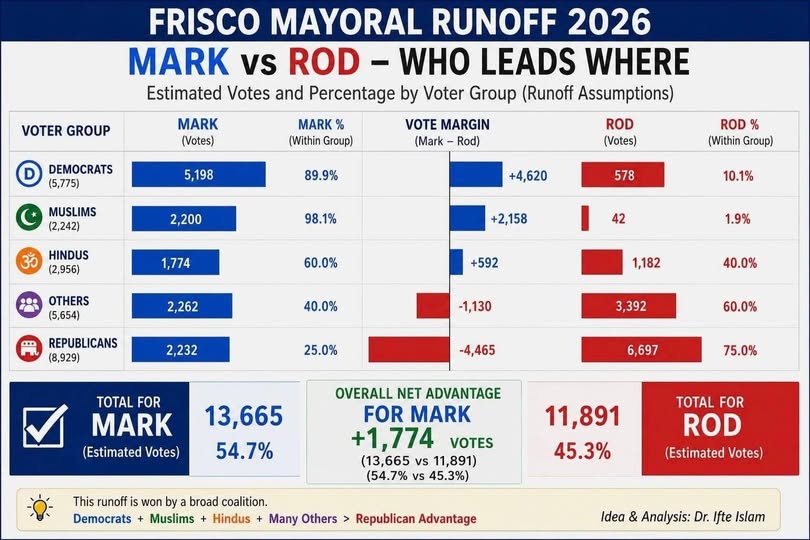
The next 24 hours stay tuned because we will be banging out some doozies. Let’s start with an email we received from a local Hindu neighbor asking if there was any truth to the attached graphic being sent around WhatUp App Indian chats.
After in-depth review this is what Frisco Chronicles can say: Looking strictly at the graphic itself, there are several issues that would raise questions regardless of which candidate someone supports.
1. It appear to be speculative numbers presented with a high degree of certainty
The graphic gives:
* Exact vote totals
* Exact percentages
* Exact voter-group turnout assumptions
* An exact final margin of 1,774 votes
Yet the graphic is labeled as “Estimated Votes and Percentage by Voter Group (Runoff Assumptions).”
This graphic does not contain actual published runoff data, polling data, or any legit disclosed methodology. The goal appears to be for this inaccurate misleading graphic to influence voters that the election is already won when it is not even close. Readers should be asking what is the source for the estimated turnout and vote-share percentages for each group?
The graphic does not explain:
* How the author determined there are exactly 2,242 Muslim voters participating.
* How they estimated 98.1% support from Muslims.
* How they estimated 89.9% support from Democrats.
* How they estimated 60% support from Hindus.
* How they estimated turnout levels for each category.
Without methodology, readers cannot consider these to be independently verified numbers.
2. PROBLEMATIC VOTER GROUPS
The chart mixes: Political affiliation (Democrats, Republicans), Religion (Muslims, Hindus), and a catch-all category (“Others”)
That creates an overlap problem.
For example:
* A Muslim voter can also be a Democrat.
* A Hindu voter can also be a Republican.
* A Hindu voter can also be an Independent.
The categories are not mutually exclusive. It is very possible that data was countrd twice in this graphic making it false, and accurate and misleading. A reader has no way to determine whether the author accounted for this.
3. CREATING A “BANDWAGON EFFECT”
Political science has long discussed a phenomenon where some voters are influenced by perceptions of momentum. If voters see: MARK projected to win 54.7% to 45.3% then some people may conclude:
* “The race is already decided.”
* “My vote doesn’t matter.”
* “Everyone else is voting that way.”
That can affect behavior even if the numbers are speculative. Frisco Chronicles would speculate this graphic was created in order to encourage Muslim, Hindu, or Swing / Democratic voters not to go out and vote for Mark’s counterpart because the race is already won!
4. CREATES VOTER DISCOURAGEMENT
The opposite effect can occur. A Rod supporter might see: Mark already leads by 1,774 votes and think “There’s no point voting.” Likewise, a Mark supporter could think “Looks like we’ve got this wrapped up.”
Both reactions can reduce turnout. When projections are unsupported or presented without methodology, they can distort perceptions of the competitiveness of a race.
5. REINFORCES IDENTITY-BASED VOTING NARRATIVES
The graphic’s central argument appears to be Democrats + Muslims + Hindus + Others > Republican Advantage
That message encourages readers to think about the election primarily through religious and demographic blocs rather than individual issues or candidate qualifications.
Some voters may view that as divisive because it frames electoral success around demographic coalitions instead of policy positions.
IN SUMMARY
This presentation is designed to look authoritative with underlying evidence supporting it which is simply not true. None of his data has been released yet yet by Collin County or Denton County Elections. That means there is no data currently to accurately predict who could win this election. It is what researchers call the “illusion of precision”. It is often used in certain cultures and religions to try and call in the vote.
The key issue is transparency. The fact that it’s only circulating in WhatsApp app Indian groups tells me it’s designed to influence the Indian vote. What are Indian community needs to understand is you need to vote on the issues that affect your family. Don’t vote how you are told, don’t vote out of fear, vote for the best candidate who’s gonna do right for you.
If I had to guess the name at the bottom of the document is Dr Ifte Islam. Maybe it’s being put out by the Muslim community to influence the Hindu Desis / South Asian voters.
Some clues that could suggest AI assistance very clean infographic layout, consistent typography, formulaic political-analysis structure and the generic stock-style iconography.
What stands out more than AI involvement is the absence of methodology. “What data source supports these exact vote totals and percentages, and can that methodology be independently verified?”
Back in November of 2025 as families prepared for the upcoming holidays, Mark Hill announced his Kick-Off Event to run for Mayor at Verona Villa. Just days after the event families across the city were getting ready to celebrate the Thanksgiving tradition of family, feasting and giving thanks for all the blessings bestowed upon them.
However, one family in Frisco was not getting ready to give thanks. Why? They were still in morning over losing their son, Austin Metcalf on April 2, 2025, at a Frisco High School track meet. The news spread like wildfire through the Frisco community and many were left asking, how could this happen on school grounds at a sporting event. Even more shocking it was at the alleged hands of another student who has since been charged with Murder.
Next came Christmas, and while Mark Hill was still on the campaign trail, getting endorsements and raising campaign funds for his fancy videos, the Metcalf family faced their first Christmas without their son. At the same time social media had turned this innocent family’s grief into a Jerry Springer tale trying to make it out like Austin Metcalf was the instigator.
As the Murder Case was prepared in Collin County, everyone involved was put under a gag order by the courts so the Metcalf family could not even speak about their grief. The Metcalf family and their son (who was the victim) were torn apart from every angle emotionally and physically across social media and other news platforms.
Meanwhile, Mark Hill never blinked an eye and kept on campaigning to be the next Mayor of Frisco.
However, I have watched for months as Mark Hill has bragged about his leadership experience serving as the President of the Frisco ISD Board of Trustee’s. He bragged about balancing the ISD budget only after a failed $1 Billion dollar bond vote and two years budget woes. Hill said at the ICF Forum, leadership is not measured by a person’s tenure in politics but by the positive impact you have in the community. On April 30th in a video Mark Hill says his vision – Strong Families make a Strong Frisco!
During this time, an insider very close to the Metcalf family reached out to me. I never spoke about our conversations over the last year until now. Why? Out of respect for Austin Metcalf, his twin brother Hunter and his parents. See, I am a single father of two boys, one with special needs. I relate to Mr. Metcalf and since that April day, I have awakened each morning thinking what if one morning I sent my kid out the front door to never see him again. It would destroy me.
In my conversations with the insider, I learned that Mr. Metcalf believes Frisco ISD is guilty of negligent homicide and that he believes the school district bent to the pressure from activist groups. He also believes that Frisco ISD went against its own attendance policy and expulsion policy for fighting (and you know murder) giving K.A. a diploma.
The insider also told us when the Metcalf family asked Frisco ISD to read Austin’s name and allow Hunter, his twin brother to accept it, at graduation the Boad of Trustee’s refused at first. It was not until word got out that day across social media and the press that that the district called and say they changed their mind. Again, showing they caved to public pressure – but at least this time it was the right thing to do.
We have also been told that Mr. Metcalf allegedly believes the Board of Trustees completely fumbled the ball letting people see the video. Most of all Mr. Metcalf is disgusted that it took 32 days for a response to his ex-wife and that the response lacked any compassion or sympathy. The insider also told us that when Mr. Metcalf finally meets face-to-face with Mark Hill and the Board of Trustees, Hill cowered behind lawyers, giving canned answers such as “I followed the law.” Not once did he display a heart or sympathy to the Metcalf family. Our insider tells us Mr. Metcalf and other family members feel the district changed the rules after Austin was murdered.
Just recently I talked to our insider again, and he said Mr. Metcalf has expressed NO FIATH IN THE UPPER MANAGEMENT AND FRISCO ISD BOARD OF TRUSTEES – WHICH INCLUDES MARK HILL! While the family hopes the new superintendent can do better and turn it around it is too late for their son Austin Metcalf.
Most importantly we asked the insider who Jeff Metcalf was supporting for Mayor and in quiet voice he said Metcalf recently voted for Rod Vilhauer and has expressed to his friends that they should vote for Rod Vilhauer. The last person he believes will keep our community safe … is Mark Hill.
Today we scrolled through Hill’s campaign page, and we read some of his endorsements. His endorsements is a list is a who’s who in Frisco. For example, Former Mayor Mike Simpson wrote Hill was the right person to lead Frisco to the next level to live, work and raise a family. Really? Do you think the Metcalf family would agree with that? Mr. Simpson could you look Jeff Metcalf in the face and tell him that?
Judy Roach, a Frisco Community Leader wrote we deserve a mayor with empathy. I wonder what kind of empathy Mark Hill showed the Metcalf family? I would love for Judy to talk to Mr. Metcalf face to face and tell him she believes Mark Hill has empathy. I am pretty sure the Metcalf family disagrees with her.
Kishore Kancharla wrote Mark Hill’s leadership is built on compassion. I truly hope Kancharla never has to see the compassion Hill displayed to the Metcalf family.
Bob Allen, Former Frisco City Council, wrote we deserve a mayor who understands the importance of family and community. I would argue Bob has no idea the importance of family until you lose a family member the way the Metcalf family did in an act of violence. Mark Hill cares about his family, but does he actually care about yours?
In closing, look at your children and ask yourself one important question before you head to the polls on Tuesday or Saturday. If you child was Austin Metcalf and you had been treated the way they had been treated by Mark Hill, President of Frisco ISD Board of Trustee’s, would you be voting for him? If your child had left for school, and never came home due to an act of violence on school grounds that could have been prevented, would you be voting for Mark Hill?
Be like Mr. Metcalf, vote for change! Be the voice of our children and vote for someone who truly wants a Safe Frisco for All. Mr. Vilhauer may not be the best public speaker or always use the right words, but one thing is very clear – he is not fake. He wears his heart and emotions on sleeve and that is not always bad for our leaders. He truly cares for public safety and the future of Frisco and the residents who live here.
Lastly, as the Murder Trial comes to an end, please pray for Jeff Metcalf, his ex-wife, and their son Hunter. They deserve so much more from us as a community, they deserve better from our leadership. It could have been your family; it could have been one of my boys. That is not something I will ever risk. Also, after the trail is over and the gag order is over, if we published anything inaccurately from our source and Mr. Metcalf wants Frisco Chronicles to write an update, I will be happy too. I trust the source and I know his close connection to the family which is why I chose to talk about our conversations.
Someone once told me, when it rains, it is really God dropping his tears for you to feel his presence. I hope that is true tonight and breaks up the clashing protests being held at Frisco City Hall. Both are said to be peaceful protests, but you never know what can happen when passionate people get heated.
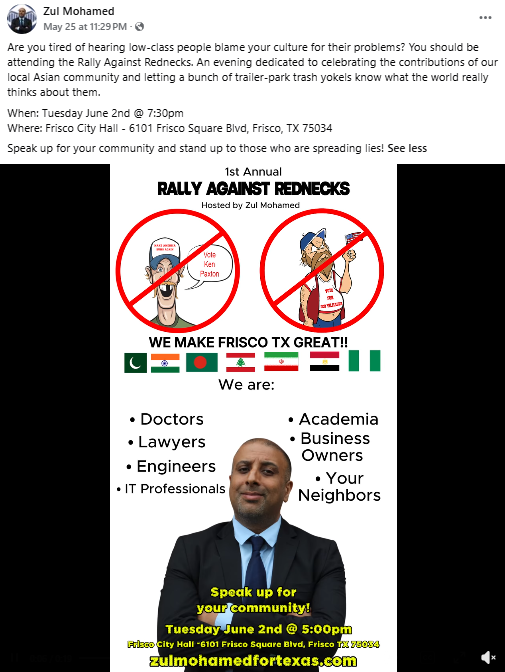
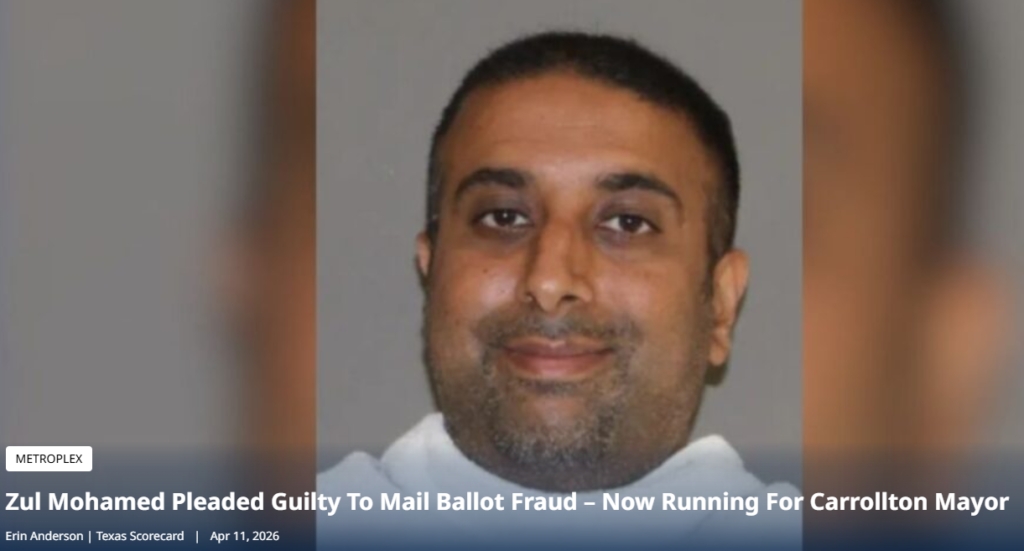
On May 25th a man name Zul Mohamed posted to his Facebook Page, “Are you tired of hearing low-class people blame your culture for their problems?” Clearly, Zul was trying to hit a nerve to motivate people to respond. His post continues, “You should be attending the Rally Against Rednecks. An evening dedicated to celebrating the contributions of our local Asian community and letting a bunch of trailer-park trash yokels know what the world really thinks about them.”
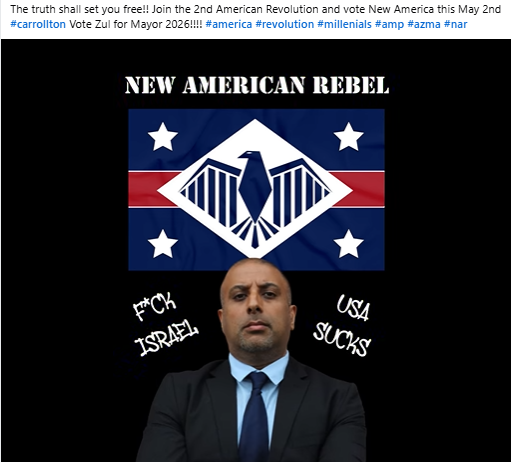
Mohamed then calls for the local Asian community to join him on Tuesday (tonight) outside Frisco City Hall (during the Frisco City Council Meeting). The bottom of his post reads www.hiswebsite.com which appears to take you to a political page where he claims to be announcing in late July, early August that he is running for Texas Senate to represent the New American Movement and his party the American Millennial Party.
The post gained traction. A little later the American Rednecks he insulted started posting a counter peaceful protest to happen around the same time, same place. The result, everyone is left wondering what will happen tonight. My recommendation every Frisco Asian and Frisco Redneck should stay away from these outside influences who are trying to disrupt our city.
Who is Zul Mohamed?
As for Zul Mohamed, if I were South Asian, I would not want him claiming to represent me. The name should sound familiar he is the FORMER Carrollton Mayoral Candidate who faced the following criminal allegations and convictions in Texas:
Zul Mohamed: 2020 Voter Fraud Case
Authorities alleged that Mohamed, fraudulently requested mail-in ballots for Carrollton residents without their authorization, used a fictitious Texas driver’s license and a fake student ID to obtain a mailbox, and possessed ballots that had been sent to the fraudulent address.
Initially Mohamed was arrested on 109 FELONY COUNTS consisting of 84 counts of Fraudulent Use of a Mail Ballot Application which is a third-degree felony. He also was arrested for 25 counts of Unlawful Possession of an Official Ballot/Ballot Envelope, second-degree felonies.
Mohamed ultimately pleaded guilty to more than 100 felony voter-fraud charges arising from the 2020 election. Reports state that a Denton County jury convicted him and imposed a prison sentence. One report states he pleaded guilty to 106 felony charges and received a four-year prison sentence, while appeals were subsequently filed.
According to the appellate opinion issued in May 2026, the voter-fraud convictions remained under appeal and The Seventh Court of Appeals reviewed the case and largely upheld the convictions while modifying certain probation conditions. For the 81 Counts of Ballot Application Fraud, Mohamed was sentenced to 10 years confinement, probated for 10 years. On the 25 counts of Ballot Possession, Mohamed was sentenced to 4 years confinement.
Mohamed’s 2025 Fake Jury Summons Case
In a separate matter, Mohamed was charged after authorities alleged that fake jury-duty notices were mailed to residents directing them to appear on the same day his sentencing trial began. Reports indicate he was charged with Impersonating a Public Servant in connection with the alleged fake jury summons scheme.
Important Context: Criminal cases can involve arrests, charges, guilty pleas, convictions, appeals, and sentencing issues that may change over time. Current reports indicate Mohamed has appealed aspects of his voter-fraud conviction and sentence
Again, is this the man Frisco South Asians want representing them? Honestly, I do not think the South Asian Hindu community would say yes. They are good, hard-working people who want what every Franconian and American want – a safe place to call home and raise children. Those of the Hindu faith are some of the most peaceful people in the world.
As for our Muslim community if they turn up to support Mohamed, they are only feeding the fear of the Muslim takeover some refer to. His Facebook posts use the hashtag #NewAmerica and #USASucks and he asks follows to join his “rebellion” – what rebellion? Is that the message they want to send?
Hard Truth Time: Zul Mohamed does not represent our South Asian community he represents himself. He is a narcissist who clearly thinks America Sucks. Every side has disrupters like Jake Lang, and he is the Jake Lang of the Muslim community. Jake Lang does not represent me, and I have to hope that Zul Mohamed does not represent our Frisco Muslim or South Asian community. Time will tell!
Outsiders Be Gone
It is time for Frisco to tune out the noise created by outsiders and remember we need to clean up the corruption at city hall. All of this “other stuff” is to distract local residents who live here from our real issues. We need local leadership to represent Frisco Residents First. We need full transparency at City Hall, no more back door deals, or side conversations in Executive Session called by our current Mayor during a council meeting. We need new blood, new leadership who will remember while tourists come and go, we live here and this is our home!
Frisco, Stay Home! Do not attend these protests tonight! Instead say enough of the outside disruption! Don’t let it feed the hatred within us towards our neighbors. Don’t give it oxygen to expand.
Disclaimer This article is written as opinion, commentary, and personal interpretation based on publicly available records, meeting observations, agenda materials, and information I have heard from community sources. Any statements involving motives, intent, conflicts of interest, contracts, relationships, or behind-the-scenes activity should be understood as alleged, suspected, or opinion unless directly supported by cited public records. Readers are encouraged to review the linked materials, attend public meetings, request records, and form their own conclusions. Nothing in this article should be interpreted as a final statement of fact about any person’s legal conduct, criminal behavior, or ethical violations.
Politics has always been a strange business. Candidates spend months telling voters exactly who they are — until the polling shifts, the pressure builds, and suddenly the “new and improved” version appears like a late-night infomercial product nobody asked for.
The Great Frisco Flip-Flop: When Candidates Rebrand Mid-Campaign
There is an old rule in politics: if the polling changes, suddenly so do the principles.
Over the last several months, Frisco residents watched an all-out firestorm erupt around candidate Rod Vilhauer over his comments regarding Sharia Law and how it will have no place or influence in Frisco, Texas. Whether residents agreed or disagreed with Vilhauer, one thing was undeniable: the reaction was immediate, emotional, and relentless. As time went on, momentum began to build and Rod admitted he made some mistakes, said some hurtful things to members of our South Asian community, and apologized openly for it. However, he made it very clear he will not apologize for his feelings and opinions on Sharia Law in Frisco and in the United States. When it comes to that he has not waived on his statements.
That brings us to Frisco mayoral candidate Mark Hill. At that same time, Mark Hill positioned himself as the calmer, more diplomatic alternative. Hill repeatedly leaned into the idea that “Frisco is for everyone and lead with the Unite Frisco theme,” projecting an image of unity and moderation while others around him condemned Vilhauer as dangerous or divisive.
But then something interesting happened. Suddenly, Mark Hill sounded different!
At the Frisco Chamber Candidate Forum, residents appeared to witness Hill suddenly changing his tune. For perhaps the first time publicly, Hill made clear statements about defending the U.S. Constitution and asserted that Sharia Law would have no place in Frisco.
Sound familiar?
The most awkward moment may have been when Hill seemingly leaned toward Rod supporters with an attitude of: “See? Clap for me. This is what you wanted, right?”
That statement was the most revealing moment of the entire campaign. There it was …. The Pivot. Not a full political U-turn. More like one of those slow exits drivers make across three lanes of traffic while pretending they were always headed in that direction.
Voters noticed it sounded remarkably similar to the same position Rod Vilhauer had been attacked for expressing all along — only difference? Mark Hill packaged his in softer language and delivered with polished political diplomacy. All of the sudden, the wording changed everything. It was not about what Rod Vilhauer said, it was that Mark Hill said more softly with the smile of an Ivy League Professor.
Frisco Chronicles wanted to know, why was one candidate portrayed as radical for expressing a position, while another candidate can express a polished version of the exact same concern and suddenly be praised as “reasonable”?
Voters Reactions
Voters began to question Hill, not because of the statement itself, but because it exposed what many voters are beginning to suspect: Mark Hill is pivoting depending on the audience in front of him. When speaking to moderate voters, Hill promotes inclusion and unity. When speaking in rooms where conservative concerns are louder, Hill suddenly becomes a constitutional warrior. When speaking to Republican voters, campaign messaging emphasizes his Republican identity.
But when concerns emerge that Democratic voters may be alienated, his supporters attack anyone who calls out … The Pivot. Just look at several local political pages and you will see Hill supporters acting like online WWE commentators every time someone disagrees with Team Hill. Just today they even accused opponents of circulating Republican-identifying text messages to damage him politically.
Hill supporters quickly treat disagreement like betrayal, questions like attacks, and criticism makes you hateful. Suddenly the candidate preaching “UNITY” is surrounded by digital pit bulls chewing through anyone who refuses to jump aboard the Hill Train.
Of course, every campaign has loud supporters. That is politics. But candidates cannot endlessly campaign on “bringing people together” while benefiting from an atmosphere where voters who dissent are publicly mocked, piled on, or dismissed.
Muslim Community
What is more dangerous to them a man who is passionate and wears his heart on his sleeve or a snake who slitters in saying one thing and slithers away shedding it’s skin saying another. The Muslim community should be asking Hill, which version is real? Are you a unity candidate? Are you a constitutional hardliner? Or the carefully calibrated political middleman trying to be everything to everyone at the same time?
That question matters because leadership is not about telling every room exactly what it wants to hear. It is about consistency. Voters are beginning to notice the contradictions.
Another Pivot Regarding Safety
Hill frequently points to his role in Frisco ISD and claims he helped make schools safer. He even boasts that other districts model Frisco ISD’s safety structure.
But residents cannot ignore the painful reality that despite all the claims of safety success, Frisco ISD could not protect a single student at a local track meet held on district property.
That tragedy shook the community deeply. And while no system can guarantee perfect safety, voters have every right to question sweeping campaign claims about being able to “protect the city” when one horrific failure leaves a family torn apart. The district wants you to forget it happened, Hill wants you to forget it happened, but the truth is it still hangs over the district’s record and Mark Hill was the President of the FISD board at the time.
Yet Hill continues to campaign as though his leadership record is beyond scrutiny.
Unity
If this campaign is supposedly about unity, why does the behavior surrounding it feel so divisive? And perhaps the biggest issue of all is fairness.
Why was Rod Vilhauer treated like a political extremist for discussing concerns about Sharia Law, while Mark Hill can now express nearly identical constitutional concerns in softer language and suddenly receive applause instead of outrage?
Frisco voters are smarter than politicians often assume. They notice when positions evolve overnight. They notice when messaging changes depending on the audience. And they especially notice when candidates try to quietly walk both sides of the street hoping nobody compares yesterday’s statements with today’s campaign speeches.
The real issue here is not whether Mark Hill has the right to change positions. Every politician evolves. The issue is transparency. The same issue we have been preaching is a problem for years. If Hill truly changed his views, then just say so. Do it clearly, like Rod Vilhauer did when he apologized for some of his language. He stood up like a man and took responsibility and has made efforts to show the community he is sorry and from what we saw at his event the other night it is coming from an authentic place.
The question for Mark Hill is if he always believed these things, then explain why others were demonized for saying them first? Muslim voters are not stupid! They are paying attention and many are beginning to question the PIVOT that Mark Hill has taken. One email we received from a Muslim Frisconian said, “We notice when candidates test-drive new positions in public. Especially when it appears that person is trying to occupy both sides of an issue at the same time. It leaves me wondering is Mark Hill using our Muslim community?”
Frisco Chronicles believes Mark Hill is using the Muslim community for their vote. Voters can tolerate disagreement; they struggle to tolerate political shape-shifting liars. People want authenticity. Even if they disagree with a candidate, they at least want to know where that candidate genuinely stands when the cameras are off and the consultants go home.
And if this is simply election-season political recalibration designed to secure votes from every possible faction, Frisco voters deserve to know that too. In a hyper-connected world where every speech gets clipped, shared, reposted, dissected online, the POLITICAL PIVOT is getting hard to hide.
Eventually campaigns end, signs come down, applause fades, but residents are left with one unavoidable question: Which version of Mark Hill would actually show up to govern?
At Frisco Chronicles we want UNITY and CHANGE and that can happen by voting for Rod Vilhauer. We are better off to have a man who makes a mistake and owns it, apologizes for it, and says the buck stops here with me, then a man who will pivot back and forth with no hesitation. It is time for Frisco to belong to Frisco again, and that includes all our neighbors because we are not that different, we all bleed the same color.
Disclaimer This article is written as opinion, commentary, and personal interpretation based on publicly available records, meeting observations, agenda materials, and information I have heard from community sources. Any statements involving motives, intent, conflicts of interest, contracts, relationships, or behind-the-scenes activity should be understood as alleged, suspected, or opinion unless directly supported by cited public records. Readers are encouraged to review the linked materials, attend public meetings, request records, and form their own conclusions. Nothing in this article should be interpreted as a final statement of fact about any person’s legal conduct, criminal behavior, or ethical violations.



I went to her to ask for help with an issue my child that was getting nowhere with the school,…
So whatever became of the $17 million dollars that the city council gave the Mayor to beautify a drainage ditch?
At last count, there are 3 different "spa/massage" businesses in the small office park at the northeast corner of John…
I literally just saw this. Yeah, she used to forward everybody’s emails behind their backs.
You're dropping truth bombs! These mom and pop shops are what should be the least of Karen's worries. If they…