Occupation and Background: Financial Advisor – I own my own Wealth Management Firm
Why are you running for Frisco City Council?
I’m running for Frisco City Council because I think we need to start serving the residents of Frisco more effectively, instead of serving the developers and Frisco elite. We need to slow down the density and address the traffic issues, as well as focus on public safety. I also want to focus more on fiscal responsibility and transparency and less on vanity projects such as the PAC and Universal.
Community and Development
What are your top three priorities for Frisco’s growth and development?
Slow down density/halt building apartment complexes; Focus on responsible, community friendly development on the east side; Address traffic in a meaningful way
How do you plan to balance economic growth with maintaining community character?
I’d like to focus more on smaller projects for the community and not so many mega projects. And, I’d like to focus on attracting more small businesses to Frisco.
What is your stance on residential and commercial zoning changes?
Not sure I understand the context of the question
How will you ensure that infrastructure keeps pace with growth?
I think we need to slow down the growth and let the infrastructure catch up. Future projects should have a plan for infrastructure built in at the beginning. And, it must be adhered to.
Density continues to be a hot discussion for Frisco Residents. Cheney even did a video on Density seven years ago when running for Mayor. He said in that video that the resident’s ultimate concerns was the concept of density and what the ultimate build out population number should be.
At build out the city’s comprehensive plan allows a maximum capacity of up to 350 thousand residents (building with maximum density). He then said in his campaign video that is not what people move to Frisco for, and he believed to maintain quality of life the population target goal should be around 280,000. He continued, we need to build out with world-class level developments with more open space, less multi-family all over the city and an overall less dense environment. In the last two years Cheney has changed his tune and said, “Density is a political dog whistle used at election time for political mailers.”
What is stance on Density?
Density is a real issue for Frisco citizens. Many have cited this as a reason for leaving. And, it’s creating quality of life issues for everyone. The only way to address it is to slow down the growth and determine what the right population number is for Frisco. 350k residents seems too high.
Fiscal Responsibility and Budgeting
What would be your approach to managing the city’s budget while ensuring essential services are maintained?
First, make sure that essential services are covered. We need to take care of our fire and police departments as well as other city services. Beyond that, all expenditures need to be thoroughly and reasonably evaluated to determine if they are necessary.
Do you believe Frisco’s current property tax rates are sustainable? Would you support any changes including cuts, increases or adjustments to the current property tax rates? Why or why not?
No. Residents can’t afford their property taxes based on the appreciation of their valuations. Even when the city and Frisco ISD lowers the tax rate, residents still don’t see it as their tax bill gets higher every year. I would be for reducing the rate but that isn’t enough.
What are your funding priorities for public safety, education, and infrastructure?
Public safety should be fully funded including additional police officers to handle the increased issues that will come with Universal (traffic, crime). See my previous comments about infrastructure.
How would you plan to handle Frisco’s increasing debt and financial obligations?
The debt can be handled by not taking on any more of it. The addiction to debt/bonds needs to stop to ensure the financial health of the city for years to come. TIRZ money can be used to pay debt obligations.
In December of 2021, the Mayor, Jeff Cheeney had to vote in a rare tie breaker vote in regard to an employee Health Clinic operated by Premise Health. At the time city staff shared the results of a survey which collected responses from 684 of 1,239 city employees. Out of those 684, a total of 89.75% said they were likely or somewhat likely” to use the clinic for urgent care needs. Only 64.7% said they were likely to “somewhat use” the clinic as their primary care provider.
Estimated expenses in the clinic’s first year total over $1.44 million, according to the proposed five-year budget. Those expenses include salaries, insurance, management/implementation fees and equipment purchases. The clinic’s fifth-year budget is listed at more than $1.31 million. It was projected that the clinic will operate at a loss in its first three years. The estimated cost for the first five years was $6.28 million. At the time there was a concern about how many years it could take to break even on the investment and how many employees would use the option.
At the five-year mark if the clinic is still not breaking even would you support closing the Employee Wellness Clinic or continue to operate at a loss?
Yes, I would support closing the clinic if it’s not at break even.
Should the city be in the business or running an Athletic Center, Performing Arts Center, or any other type of business model that mirrors a commercial business which has annual operational costs paid for by tax dollars?
No
Transparency and Accountability
How will you ensure transparency in your decision-making process and open communication between the city council and residents?
I will explain my decisions on key votes so that the community understands my reasoning. I will also make myself available to meet with residents by hosting regular town halls and I will also listen when community members speak at city council meetings and read their emails.
Currently only the city council meeting is aired live, however many residents believe they should have access to live meetings for the different boards and commissions as well as well as the published minutes of the meetings should be more detailed as to what was discussed.
Do you support more increased public access to city council meetings, boards and commission meetings?
Yes
What steps would you take to improve access to meetings, meeting minutes and public records?
I would see what other cities do and replicate the good ideas in Frisco by submitting a proposal for change.
What is your definition of conflict of interest?
A conflict of interest is when someone could potentially benefit from actions or decisions made in an official capacity.
Do you support implementing a stricter ethics policy that puts a check on the influence of money in local politics which would require council members to recuse themselves from votes that could benefit donors who contributed more than $1000 or $2500.00 to a political campaign?
Yes
Do you believe active members of the city council should be on the front lines advocating as “private citizens” for Propositions on the ballot during local elections?
No
Community Services and Quality of Life
What are your plans for enhancing public parks and recreation on Frisco’s East Side of the DNT?
If Brinkmann Ranch is to be entirely sold, I would work to ensure that some of the land be allocated for public use. The city could require the developers who purchase the land to fund the project/s. That is probably the best location. I would like to see some of the land kept for the cows to graze as that is part of Frisco’s history.
How do you plan to address traffic congestion across Frisco?
Work to ensure the traffic signals work more effectively. Remove concrete medians where the left turn lane traffic spills into the center lane regularly (at DNT and Eldorado for example).
Do you think Frisco has a public transportation need? No
How will you engage with and listen to diverse voices of the community?
See question 1 in the previous section
Public Safety
What measures will you take to ensure Frisco’s Police and Fire Department remain well-funded?
I will ask the departments what they need, validate that by looking at other city models and then advocating for funding.
For years the Frisco Firefighters Association has taken to the citizens input pulpit asking for more staffing (specifically going from a 3 Man Truck to a 4 Man Truck). Turnover has been high recently with Firefighters taking retirement and then going to work for other cities who are more supportive of their First Responders.
Do you support increased staffing and moving to a 4 Person Truck? Yes
What will you do to start repairing the relationship with our first responders to stop the turnover, so they stay here in Frisco, and we don’t lose that much needed experience and wisdom.
I will meet with the fire fighters regularly and listen to their concerns. I will also ensure that retention is improved by implementing a target and holding the city manager and fire chief responsible for achieving it. I would start with a 2% decrease in turnover and go from there.
As Frisco continues to grow, do you believe Frisco’s current policies on crime prevention and emergency response are sufficient? Why or why not?
I don’t think we are staffed appropriately for Universal and need to evaluate what is needed before situations escalate. The recent stabbing of a Frisco ISD student shows that this is not the same city it was a few years ago. We need to staff for the situations we encounter today.
Would you support removing Animal Services “out” from under Public Safety and turning it into its own department?
Yes
Residents have been advocating for an animal shelter (instead of the partnership with Collin County) and the city keeps stalling, saying they are open to one with a public-private partnership. Do you believe Frisco should have its own Animal Shelter and Education Center? Do you believe it is a city service, or should it be a public-private partnership?
Yes, and yes it Is a city service?
Closing Statements
Is there anything you would like us to know about you that we have not asked?
Occupation and Background: Information Technology and Real Estate Entrepreneur
Prior to running, how have you been involved in the community?
Prior to running for the Frisco ISD Board of Trustees, my involvement in the community has been extensive and deeply rooted in a desire to serve. For five years, I served as an HOA Director in Richwoods, demonstrating my commitment to local volunteerism and community well-being. Currently, as Chair of the Tamil Nadu Foundation, Dallas chapter, I’ve led efforts to raise over 2 million to fund education for special needs and impoverished children, showcasing my leadership and dedication to educational causes. Beyond these roles, I am passionate about giving back and actively dedicate my time, energy, and resources to support vital organizations such as the Frisco Pantry, homeless shelters, and numerous other deserving nonprofits within our community. This diverse range of experiences reflects my long-standing commitment to service and my understanding of the needs of our community, including the importance of education and support for families.
What experience or skills do you have that will make you a great board member?
My experience provides a unique and valuable skill set for serving on the Frisco ISD Board of Trustees.
• First, my long-term commitment as a crossing guard at Richwoods – Vandeventer Middle School isn’t just volunteer work; it’s a direct connection to our students and families. I’ve seen firsthand the daily realities, the challenges, and the joys of our students, and I understand the concerns of parents in our neighborhoods. This on-the ground perspective is invaluable for making informed decisions that prioritize student well-being and safety.
• Second, my leadership experience as a former HOA director and chair of a non-profit has equipped me with critical governance and management skills. I understand how to build consensus, manage budgets responsibly (a crucial skill for a district like ours), and ensure transparency and accountability in decision-making. These are essential for effective board leadership.
• Third, I possess a strong grasp of education policy and governance. I’m passionate about ensuring equitable access to high-quality education for every student in Frisco ISD, regardless of their background. I’m committed to data-driven decision-making and advocating for policies that support student achievement.
• Finally, I’m a dedicated servant leader. I believe the role of a board member is to listen, collaborate, and advocate for the best interests of our students, parents, and community. My previous experience running for this board demonstrates my commitment to Frisco ISD, and I’m eager to bring that same dedication and work ethic to the position.
What are the 3 most critical issues facing the district today?
1. Declining Student Enrollment and Funding challenges
2. Past 3 years FISD is running a deficit budget – Accuracy in Financial Forecasting and Enhanced Transparency
3. Campus Safety and Security—Disciplinary issues, cyberbullying, Vaping and Drugs, Fentanyl
How do you plan to address these issues?
Declining Student Enrollment and Funding challenges:
I believe Frisco ISD stands at a critical juncture, demanding a proactive and visionary approach to ensure our long-term success. The declining enrollment trends we’re witnessing, and the resulting closures in neighboring districts, serve as a stark reminder of the urgency of the challenges before us. We must act now to secure Frisco ISD’s future.
My priorities would be to:
Develop a comprehensive long-term vision: We need a clear plan for the next 5, 10, and 15 years, outlining how Frisco ISD will evolve in terms of enrollment, program offerings, and facility standards. This vision must be data-driven, reflecting a deep understanding of enrollment trends and demographic shifts.
Address declining enrollment head-on: This requires a multi-faceted approach. First, we must conduct thorough data analysis to identify the root causes of the decline. Second, we must engage in open and transparent communication with our community, ensuring that parents and residents are informed and involved in the solutions. Third, we must innovate our programs to attract and retain students, offering specialized courses and pathways that meet their diverse needs and interests.
Champion strategic program investments: I propose investing in program enhancements and expanding specialized courses to make Frisco ISD a destination district.
Establish a magnet school: I am particularly excited about the potential of converting a high school into a magnet school focused on high-demand fields such as STEM or the arts. This strategic investment would not only attract students from across the region, boosting enrollment, but also position Frisco ISD as a leader in innovative education and enhance the overall appeal of our community. This initiative must be driven by community input and a rigorous market analysis to ensure its success and relevance.
Advocate for adequate state funding: We must also be strong advocates at the state level to ensure Frisco ISD receives the funding necessary to support our long-term vision and maintain the high quality of education our students deserve. By embracing this comprehensive strategy, we can ensure that Frisco ISD not only weathers the current challenges but emerges stronger and more vibrant, ready to serve the needs of our students and community for generations to come.”
Past 3 years FISD is running a deficit budget – Accuracy in Financial Forecasting and Enhanced Transparency
From my perspective, addressing the issue of the past three years of deficit budgeting, the need for accuracy in financial forecasting, and enhanced transparency would be a top priority: The fact that Frisco ISD has been operating under a deficit budget for the past three years is a serious concern that demands immediate and comprehensive attention. As a board member, ensuring the fiscal health and stability of our district would be a paramount responsibility.
My approach to this critical issue would be multi-pronged:
Demanding Accuracy in Financial Forecasting: We must implement rigorous and data driven forecasting methods to ensure a clear and reliable understanding of our financial outlook. This involves a thorough analysis of enrollment trends, revenue projections, and expenditure forecasts. We need to move beyond reactive budgeting and develop proactive strategies based on accurate predictions.
Prioritizing Enhanced Transparency: The community has a right to understand how their tax dollars are being spent. I will advocate for greater transparency in our financial reporting, making budget information readily accessible and easily understandable to the public. This includes clear explanations of budget assumptions, potential risks, and detailed breakdowns of expenditures. Open communication fosters trust and allows for meaningful community input.
Comprehensive Budget Review: We need to conduct a thorough review of the current budget to identify areas of inefficiency, potential cost savings, and opportunities to realign resources with our strategic priorities and the needs of our students. This review should involve input from administrators, teachers, and the community.
Long-Term Financial Planning: Addressing the deficit is not just about the immediate fiscal year; it requires a long-term financial plan that aligns with our five, ten, and fifteen-year vision for the district. This plan must consider potential enrollment fluctuations, future program needs, and facility requirements.
Exploring Revenue Opportunities (without burdening taxpayers unnecessarily): While being mindful of the tax burden on our community, we must also explore all potential avenues for responsible revenue generation, including maximizing state funding, seeking grants, and strategically leveraging district assets.
Accountability and Oversight: The board has a crucial role in providing strong oversight of the district’s finances. I am committed to holding the administration accountable for responsible financial management and ensuring that budget decisions are made in the best interests of our students and the community.
Addressing the deficit budget and ensuring accurate financial forecasting and enhanced transparency are not just about balancing the books; they are about safeguarding the quality of education we provide to our students and maintaining the trust of our community in Frisco ISD’s leadership.”
Campus Safety and Security—Disciplinary issues, cyberbullying, Vaping and Drugs, Fentanyl
I believe a safe and secure learning environment is the bedrock of a successful education. We must address the serious issues of disciplinary problems, cyberbullying, and the alarming rise of vaping and drug use, including fentanyl, with a firm and proactive approach.
Prioritizing Order and Discipline: Maintaining a structured and disciplined environment is crucial for both safety and academic achievement. We must have clear, consistently enforced disciplinary policies that hold students accountable for their actions and promote respect for authority. This includes zero-tolerance policies for violence, drug use, and serious behavioral infractions.
Strengthening Physical Security: The physical safety of our students and staff is paramount. We must ensure that our campuses are secure, with appropriate measures in place to prevent unauthorized access and respond to potential threats. This may include increased security personnel, surveillance systems, and controlled access points.
Parental Rights and Involvement: Parents have a fundamental right to know what is happening in their children’s schools and to be involved in decisions that affect their safety. We must ensure transparent communication with parents regarding safety concerns and disciplinary issues, and actively seek their input on safety policies.
Combating Cyberbullying and Digital Threats: Cyberbullying is a serious problem that can have devastating consequences. We must implement strong policies to prevent and address cyberbullying, educate students on responsible digital citizenship, and work closely with law enforcement to address online threats.
Addressing Drug and Vaping Issues: The rise of vaping and drug use, especially the dangers of fentanyl, demands a firm and uncompromising response. We must implement robust prevention programs, educate students on the risks, and work with law enforcement to address drug-related activity on and around our campuses.
School Resource Officers and Law Enforcement Partnerships: Strong partnerships with law enforcement, including the presence of school resource officers, are essential for ensuring campus safety. We must ensure that our schools have clear protocols for communication and collaboration with law enforcement in the event of an emergency.
Mental Health Support with a Focus on Personal Responsibility: While acknowledging the importance of mental health support, we must also emphasize personal responsibility and accountability. We should focus on programs that promote resilience, character development, and healthy coping mechanisms, in addition to providing access to counseling and mental health services. By prioritizing order, discipline, parental rights, and strong partnerships with law enforcement, we can create a safe and secure learning environment where our students can thrive.
Do you support ESA’s and Senate Bill 2?
I will champion our public schools. I have concerns about ESAs and SB 2, particularly regarding the potential diversion of funds from our district and the need for rigorous accountability measures. My commitment is to ensure our public schools remain strong, well-funded, and accessible to all students in our community. Our local tax dollars must stay locally to support district initiatives, while also advocating for adequate state funding to supplement our local efforts.
It is crucial to maintain the financial health and integrity of the Frisco ISD community. Parents believe the need for transparency and accountability is at an all-time high in the district. Would you support a official Forensic Audit of the district’s finances by an independent 3rd party?
Yes, I absolutely believe it is crucial to maintain the financial health and integrity of Frisco ISD, and I agree wholeheartedly that parents’ demand for transparency and accountability is at an all-time high – and for good reason. Given the concerns I’ve heard from parents and the community, and considering the importance of public trust in how our tax dollars are managed, I would strongly support an official forensic audit of the district’s finances by an independent third party.
Do you believe the current districts’ disciplinary procedures are acceptable or do you believe we need to update our procedures for discipline and safety?
No. The current districts’ disciplinary procedures are not acceptable. The recent incidents are deeply troubling, and I understand the heightened anxiety among parents across Frisco ISD. I believe our primary responsibility is to ensure a safe and secure learning environment. This demands a robust approach, prioritizing strong physical security measures, close collaboration with law enforcement, and clear, consistently enforced disciplinary policies that hold students accountable. We must also emphasize parental rights and involvement, ensuring open communication and seeking their input on safety protocols. While acknowledging the importance of mental health, we should also focus on programs promoting personal responsibility and character development. I strongly advocate for school resource officers, and their positive impact on campus safety. We must act decisively to prevent violence, address threats, and ensure our schools remain focused on education, not fear. I am committed to working tirelessly to restore and maintain a safe learning environment for every child in Frisco ISD.
What do you believe needs to happen with Staley Middle School and how should this have been handled?
I firmly believe that extending the operation of Staley Middle School until the 2025-2026 school year is the most responsible path forward. This approach prioritizes the well being of Staley’s students and staff by minimizing the disruption to their education and careers, allowing for a more stable and supportive environment during a period of transition. Furthermore, it demonstrates a genuine respect for the Staley community’s voice and their desire for a more gradual adjustment.
Do you have knowledge of Roberts’ Rules and Board Meeting Decorum?
Yes, I understand the importance of Roberts’ Rules of Order and proper Board Meeting Decorum. I recognize that Roberts’ Rules are designed to ensure fairness, efficiency, and the orderly conduct of business. They provide a framework for motions, debates, and voting, ensuring that all voices are heard and that decisions are made in a transparent and democratic manner. I understand the importance of adhering to an agenda, respecting time limits, and conducting discussions in a civil and professional manner. My goal is to contribute to a board that operates effectively and transparently, building trust with the community and ensuring that our decisions are made in the best interests of our students.
What efforts or changes could be made to increase decisive leadership and improve community trust during board meetings?
To truly foster decisive leadership and restore the trust of our Frisco ISD community, we must implement significant changes to our board meeting procedures. I believe that increasing decisiveness necessitates clear, detailed agendas, but critically, we must empower every trustee to place their items on the agenda, ensuring a wider range of perspectives are heard and addressed. We need focused deliberations, grounded in data-driven presentations, and the use of defined decision-making frameworks for complex issues. Strategic planning sessions and transparent articulation of decision rationales will further enhance our ability to lead effectively. Equally important is rebuilding community trust. To achieve this, I propose we make public comment the very first agenda item at every board meeting. This will signal that we prioritize the voices of our residents. Furthermore, every resident should be granted a minimum of three minutes to address the board on any issue, regardless of the meeting’s agenda. This open forum will demonstrate our commitment to listening and responding to the concerns of our community. We must also enhance public participation through various means, ensure complete transparency in information and decision-making, and actively listen to and acknowledge community concerns. Regular community forums, clear communication of board actions, and unwavering accountability will be essential in building bridges. Above all, we must demonstrate respect among board members, even in disagreement, to cultivate a productive and trustworthy environment. By implementing these measures, Frisco ISD can cultivate a board that leads decisively, operates with complete openness, and earns the confidence of our entire community.
Lastly, anything you want voters to know about you!
I want Frisco ISD voters to know I’m committed to upholding the core values of fiscal responsibility, parental rights, and academic excellence. My years of community service have instilled in me a deep respect for the responsible use of taxpayer dollars, and I will advocate for transparent and accountable financial practices. I believe parents are the primary stakeholders in their children’s education, and I will champion policies that empower them to make informed choices. My focus will be on ensuring our schools provide a rigorous, values-driven education that prepares students for success. I believe in maintaining a safe and disciplined learning environment, where teachers can focus on teaching and students can focus on learning. I will advocate for strong partnerships with law enforcement, and for policies that ensure the physical and mental well-being of our students and staff. I’m committed to restoring trust in our school board by prioritizing transparency, accountability, and the efficient use of resources. I will work to ensure that our schools focus on core academic subjects, and that our curriculum reflects the values of our community. I am dedicated to serving Frisco ISD with integrity and unwavering commitment to the principles that make our district strong.
We would like to thank Sangita Datta for responding to our Citizen Questionairre. It is important to note after sending this out to each candidate running in Place 2 and 4, Ms. Datta was the first candidate to respond and clearly she provided thoughtful insight to each question asked. Meet Sangita Datta – Running for Place 4
Candidate Information
1. Full Name: Sangita Datta 2. Campaign Website and Social Media Links:
3. Occupation and Background: I am a financial specialist and the founder of Datta Insurance Services. I hold a Bachelor of Science in Architecture and multiple licenses in life and health insurance. My professional journey has given me deep insight into financial responsibility, risk assessment, and strategic planning—skills I aim to bring to the City Council.
4. Why are you running for Frisco City Council? I believe Frisco’s greatest strength isn’t just in its rapid growth—it’s in its people. While we’ve built a global name through world-class sports and entertainment, we now need to ensure that our residents—families, small business owners, seniors, and young professionals—aren’t left behind.
I’m running to:
Invest in public safety, ensuring our first responders have the resources they need
Preserve and reinvest in our older neighborhoods and infrastructure
Bring high-quality job opportunities to Frisco by partnering with companies and local colleges
Maintain fiscal responsibility and reject vanity projects that don’t serve core needs
Create open, transparent communication between the city and the residents
I’ve spoken to countless residents who feel the burden of rising costs, congestion, and a loss of connection with local government. I want to be their voice and serve with empathy, common sense, and accountability.
This isn’t just a political campaign—it’s personal. I want to help build a Frisco where families plant roots, build lives, and thrive with pride.
Community & Development Involvement
I’ve been actively involved in Frisco for over a decade. My community service includes:
Graduate of Frisco City 101 and Citizens Police Academy
Member of Leadership Frisco Class 25
Ambassador for both the Frisco Inclusion Committee and Frisco Chamber of Commerce
Secretary of the Frisco Parks and Recreation Board
Small business mentor, helping local startups grow
Host and organizer of community Diwali celebrations and supporter of cultural diversity events
Honored with the Frisco Emerging Leader Award, Frisco Women of Influence Award, and listed in Marquis Who’s Who in America, 2024
1. What are your top three priorities for Frisco’s growth and development?
Public Safety First Frisco must continue to be one of the safest cities in America. That means prioritizing funding, staffing, and resources for our police and fire departments—and listening to the needs of those who serve us every day.
Reduce the Tax Burden on Residents Many families are struggling to keep up with rising costs. We can reduce this burden by attracting large employers, building a local workforce pipeline through partnerships with nearby colleges, and creating jobs right here in Frisco—allowing residents to live and work locally.
Transparent, Two-Way Communication I propose a Neighborhood Ambassadorship Program to bridge the gap between city leadership and residents. Transparency and education are critical to building trust and making informed, community-driven decisions.
2. How do you plan to balance economic growth with maintaining community character?
Frisco’s growth is undeniable—but growth without intention can erode the very character that made this city so desirable in the first place.
To balance economic development with community values, I will:
Support responsible development that aligns with Frisco’s long-term vision and comprehensive plan—not just short-term financial gain.
Ensure we preserve green spaces, parks, and our city’s charm, especially in older neighborhoods that represent our roots.
Prioritize mixed-use developments that support walkability and community interaction, rather than isolated high-density clusters that strain infrastructure.
Push for community input on major zoning or development projects, so residents feel heard and involved in shaping their neighborhoods.
Frisco can grow without losing its identity. The key is thoughtful planning, active listening, and a commitment to preserving the “small-town feel with big-city amenities” that so many of our families value.
3. What is your stance on residential and commercial zoning changes?
Zoning is a powerful tool that shapes how our city functions—and I believe zoning changes must be made with extreme care, full transparency, and strong community input.
My stance:
I support zoning flexibility when it brings real value to the community, such as local job creation, diversified housing options, or enhanced infrastructure.
I oppose rezoning that prioritizes high-density or multi-family development in areas not designed to support it—especially if it creates stress on traffic, schools, or emergency services.
I advocate for data-driven impact studies and resident forums before any significant zoning change is approved.
Zoning decisions should always prioritize quality of life, long-term sustainability, and smart growth—not just short-term returns.
4. How will you ensure that infrastructure keeps pace with growth?
Ensuring our infrastructure keeps up with growth is one of my top priorities. Frisco is growing rapidly—with a population nearing 250,000, and large-scale attractions like Universal Kids Resort and FIFA 2026 on the way. This growth brings opportunity, but without the right infrastructure, it also brings stress.
Prioritize infrastructure before permitting major developments. Roads, water, drainage, and public services must be in place before large residential or commercial projects break ground.
Invest in East and mature areas of Frisco, not just the new. Older neighborhoods deserve reinvestment to keep up with demand and preserve quality of life.
Ensure developers pay their fair share through impact fees that go directly toward infrastructure improvements.
Leverage technology for traffic management, public safety, and utilities. Smart infrastructure solutions can reduce congestion and improve service delivery in real-time.
Establish long-term infrastructure forecasting and reserve planning, including dedicated funding for upkeep and upgrades—especially in fast-growing and high-traffic zones.
Our city must plan not just for today—but for the Frisco of 5, 10, and 20 years from now. Growth is exciting, but if our infrastructure lags behind, everyone feels the strain. My commitment is to build a Frisco that works just as well as it shines for ALL.
5. What is your stance on density and population build-out?
I believe Frisco is meant for everyone—not just the wealthy. This city should be a place where families can grow, seniors can age in dignity, and young professionals can build their future—all without being priced out or pushed out. But growth must be balanced with planning. Getting overcrowded is not the solution.
The current comprehensive plan allows for a maximum build-out population of 350,000, but that number is simply not sustainable with our existing infrastructure and services. I support a more responsible target of around 280,000 residents, which protects both our quality of life and city services.
We’re already seeing the signs of strain:
Our newly built world-class library is already too small to meet growing demand.
The Frisco Senior Center is running out of space to accommodate new entrants and serve our aging population with the dignity they deserve.
Increased traffic congestion and emergency response times show that our infrastructure and public safety resources are being stretched thin.
So , High-density housing should be limited and strategically placed in areas that are supported by strong infrastructure—not pushed into neighborhoods that can’t handle the impact.
We must ensure that our first responders—police, fire, EMS—have the staffing and equipment they need to serve a growing and diverse population.
Resident feedback must be central to all zoning and density decisions. We need transparent communication and planning, not top-down decisions that leave communities frustrated.
And finally, we must invest in city services—like libraries, senior centers, parks, and roads—to grow with our population.
Frisco is one of the most desirable places to live, and I want to keep it that way—for everyone. That means growing smart, planning ahead, and putting people first.
Fiscal Responsibility & Budgeting
1. What would be your approach to managing the city’s budget while ensuring essential services are maintained?
My approach to managing Frisco’s budget is centered on accountability, resource optimization, and creative problem-solving—while always protecting the essential services our residents rely on.
Every department has a budget, but we must go beyond just approving numbers. I believe in evaluating the “why” behind each request, understanding the logic, and working collaboratively with departments to ensure their needs are met without excess or inefficiency. We must strike a balance—not overburdening teams, but also not allowing unnecessary comfort at the expense of taxpayers.
One of my professional strengths is in optimizing resources. I’ve helped businesses find lean, sustainable solutions—and I would bring the same mindset to city governance.
Here’s how:
Lean budgeting practices across departments to ensure funds are used efficiently and with clear outcomes tied to service delivery.
Public-private partnerships and sponsorships: Many companies are willing to offer products, services, or financial support in exchange for name recognition. Tapping into this model—especially with local nonprofits or regional sponsors—can significantly reduce city costs without compromising service quality.
Encouraging cross-departmental resource sharing and eliminating duplication to streamline operations.
Prioritizing outcome-based budgeting, where spending is tied to measurable results that directly benefit the community.
With Frisco’s continued growth, we must be smart with every dollar, ensure transparency, and keep the focus on delivering real value to our residents—without increasing financial strain.
2. Do you believe Frisco’s current property tax rates are sustainable? Would you support any changes including cuts, increases or adjustments to the current property tax rates? Why or why not?
Frisco’s current property tax rate may seem competitive on paper, but when paired with rapidly rising property values, the real burden on residents continues to grow—and that is simply not sustainable for many families, seniors, and first-time homebuyers.
I do not support increasing property tax rates. In fact, I believe we should work toward gradual rate reductions over time, especially as our commercial base expands.
Here’s how I would approach it:
Focus on economic diversification: By attracting more corporate headquarters, technology firms, and high-wage employers, we can shift more of the tax burden away from homeowners and toward commercial entities.
Grow our local job market: Giving Frisco residents the ability to live and work in the city helps stabilize income, reduce commuter costs, and stimulate local spending—all of which feeds back into a stronger economy and tax base.
Expand strategic partnerships and cost-saving initiatives: As mentioned earlier, collaborating with nonprofits and private sponsors to reduce city expenses helps prevent the need for tax hikes.
We need to remember—most residents aren’t asking for luxury; they’re asking for affordability, safety, and sustainability. They want to be able to stay in the city they helped build, without being taxed out of it.
I will always advocate for smart, people-first budgeting that reflects the real-world pressures our residents face.
3. What are your funding priorities for public safety, education, and infrastructure?
My top funding priorities reflect what truly matters to the people of Frisco—safety, opportunity, and livability.
1. Public Safety: Public safety is non-negotiable. As Frisco grows and welcomes major venues like Universal Studios and FIFA, we must ensure our police, fire, and EMS departments are fully staffed, well-equipped, and proactively supported. That means:
Transitioning to a 4-person fire truck staffing model, as requested by our firefighters
Prioritizing competitive pay and benefits to retain experienced first responders
Investing in modern technology and equipment to improve response times and public confidence
2. Education (Collaboration & Support): While public education is not directly funded by the city, we play a key role in partnering with local school districts and institutions to support student success. I would advocate for:
Internship and workforce development programs in partnership with Frisco ISD and local colleges
Safe routes to schools, better lighting, and traffic enforcement near campuses
City-led initiatives that support mental health, student safety, and career readiness
3. Infrastructure: Growth without infrastructure planning leads to frustration and failures. I support:
Proactive investment in roads, drainage, and water systems
Smart traffic management solutions to reduce congestion
Maintenance and modernization of aging infrastructure—especially in mature neighborhoods, not just new developments
These aren’t just line items in a budget—they’re the foundations of a strong, inclusive, and future-ready Frisco. My job as a council member will be to ensure every dollar spent advances these priorities in a fiscally responsible and community-first way.
4. How would you plan to handle Frisco’s increasing debt and financial obligations?
Debt, when used wisely, is not always a bad thing—especially when we’re talking about AAA-rated municipal bonds, which give Frisco access to favorable rates and funding options for long-term infrastructure and capital improvements. It’s about understanding opportunity cost and using debt as a strategic tool—not a fallback.
Frisco is in a solid financial position today, but maintaining that strength requires forward-thinking, discipline, and clear priorities. Here’s how I would approach it:
Prioritize needs over wants—always. We must focus on funding what truly matters: public safety, infrastructure, and reinvestment across all of Frisco—not just select areas or headline-making projects.
Maintain strong reserves. A “rainy day fund” is crucial. It’s what allows us to respond to emergencies, economic downturns, or unforeseen challenges without risking basic services or spiking taxes.
Use public-private partnerships strategically. Many companies are willing to co-invest in amenities or services in exchange for name recognition or community impact. This model can significantly offset costs without burdening taxpayers.
Ensure geographic equity. Debt-backed investments should not favor just one side of the city. We must reinvest in mature neighborhoods, aging infrastructure, and underserved areas to preserve the livability and character of all of Frisco.
Practice transparent financial communication. Residents deserve to understand how debt is used, why it’s incurred, and how it’s being repaid. I support easy-to-access budget dashboards, annual debt reports, and educational town halls on major funding decisions.
Tie borrowing to measurable return on investment. If a project is funded through debt, there must be clear value to residents—whether it’s economic development, traffic relief, job creation, or public safety improvements.
Debt can be a smart investment if it’s tied to community benefit, managed transparently, and accompanied by fiscal discipline. My goal is to make sure Frisco’s financial future remains as strong—and as community-focused—as its present.
5. In December 2021, the Mayor cast the tie-breaking vote to approve the Employee Wellness Clinic, which is projected to operate at a loss for the first few years. At the five-year mark, if the clinic is still not breaking even, would you support closing it or continuing to operate at a loss?
I strongly believe in supporting our employees and ensuring they have access to quality, affordable care—but we also have a duty to manage taxpayer dollars wisely.
If, after five years, the Employee Wellness Clinic is still operating at a loss, I would not automatically support continuing the same model. At that point, it’s clear we need to reassess and adapt. Sometimes, outsourcing or forming a new public-private partnership is a more viable and sustainable option than owning and operating something at a deficit.
We can and should explore:
Partnering with regional healthcare providers to deliver wellness services at negotiated group rates
Integrating care through existing insurance networks to avoid duplication of services
Reallocating resources to prioritize employee wellness in smarter, more efficient ways
The goal is not to take services away—but to provide them in a way that makes fiscal sense. Our employees shouldn’t have to compromise on well-being, and our residents shouldn’t be asked to shoulder ongoing financial losses.
At the end of the day, we are obligated to do the right thing—for our employees and for the taxpayers. That means being compassionate, but also clear-eyed about performance, sustainability, and accountability.
6. Should the city be in the business of running an Athletic Center, Performing Arts Center, or any other type of business model that mirrors a commercial business which has annual operational costs paid for by tax dollars?
No—the city is not a commercial business, and it should not operate as one, especially when the city itself acknowledges that these ventures are not expected to be profitable.
When taxpayer dollars are involved, the priority should always be essential services and core infrastructure—not entertainment or amenities that carry long-term operating losses.
I absolutely support arts, recreation, and culture, but owning and operating large-scale commercial-style facilities should be carefully reconsidered. If these amenities are important to the community, we should explore:
Public-private partnerships, where private entities help fund, operate, or manage the facility
Naming rights and sponsorships to reduce public cost
Or allowing the private market to meet these needs, while the city provides support through zoning, promotion, or limited incentives
We must focus on fiscal responsibility, not vanity projects. The city’s role is to protect, serve, and sustain quality of life, not run businesses that add to our debt and increase pressure on future budgets.
Transparency and Accountability
1. How will you ensure transparency in your decision-making process and open communication between the city council and residents?
Transparency is not just a principle—it’s a responsibility. As a city council member, I will work to create an environment where residents feel heard, informed, and involved every step of the way.
Here’s how I plan to ensure that:
Open-door communication: I will be accessible to residents through regular office hours, public forums, and neighborhood listening sessions.
Clear, timely updates on major decisions: Whether it’s a zoning change, bond project, or new development, residents should know what’s being decided, why it matters, and how they can give input.
Support for a Neighborhood Ambassador Program: This initiative would allow each area of Frisco to have a direct liaison who helps bridge the gap between city hall and the people—especially in fast-growing or underserved areas – meeting every quarterly to understand the ongoing concerns from residents and city limitations can be understood better.
Plain-language summaries of complex issues: Government shouldn’t be confusing. I’ll advocate for summaries and visual aids that explain city decisions in a way that’s easy to understand. Education is key !
Digital engagement tools: More live streams, online Q&As, and interactive platforms that give people a say—especially those who can’t attend meetings in person.
Transparency builds trust, and trust builds community. I’m committed to leading with integrity, openness, and accountability.
2A. Do you support more increased public access to city council meetings, boards, and commission meetings?
Absolutely. Residents should always be welcomed, encouraged, and empowered to attend public meetings and provide feedback. Transparency and accountability start with access.
City Council members are elected to represent the people, not operate behind closed doors. That means:
Public meetings should be live-streamed and archived
Agendas and materials should be shared in advance
Clear instructions should be given on how residents can submit input or speak on agenda items
Meeting schedules should be clearly communicated across multiple platforms—including email, social media, and city apps
City government should be inclusive and accessible to everyone, not just those who can make it in person or understand policy jargon. We serve the people—and that starts with inviting them to the table.
2B. What steps would you take to improve access to meetings, meeting minutes, and public records?
To improve access and transparency, I would support:
Live-streaming all board and commission meetings, not just City Council
Ensuring all meeting minutes are detailed and posted in a timely manner, with summaries that highlight key decisions, votes, and discussions
Developing a centralized, user-friendly online portal where residents can easily search agendas, minutes, and public records
Promoting civic literacy, through educational content that helps residents understand how to get involved and what the city’s processes mean for them
Transparency is not just about availability—it’s about clarity, accessibility, and engagement. As a council member, I’ll advocate for modernizing how we communicate and ensuring every resident has the tools to stay informed.
3. What is your definition of conflict of interest?
A conflict of interest occurs when a public official’s personal, financial, or professional interests interfere with—or appear to interfere with—their ability to make objective, unbiased decisions in the best interest of the public.
This includes:
Voting on matters that would financially benefit themselves, close family members, or business associates
Participating in decisions where they have undisclosed affiliations or loyalties
Using their position to influence outcomes that benefit political donors or private entities they’re connected to
Even the perception of a conflict can undermine public trust. That’s why it’s important not only to avoid conflicts, but to disclose any potential conflicts transparently and recuse oneself when appropriate.
Elected officials must always remember: we are here to serve the public—not ourselves, our friends, or our donors. Integrity and transparency must guide every decision.
4. Do you support implementing a stricter ethics policy that puts a check on the influence of money in local politics, including recusal from votes that could benefit major donors?
Yes—100%. Public service must be rooted in integrity.
I fully support stricter ethics policies, including requiring recusal from votes where a council member’s donor stands to benefit. Even the perception of bias undermines public trust, and that trust is everything.
I also believe that current City Council members should not publicly endorse or advocate for candidates during elections. They are elected to serve the people—not to influence outcomes or use their position to sway voters. They should remain neutral and let the democratic process work without interference.
Frisco residents deserve decisions made for the right reasons—not for political favors or financial gain. I will always put people first and lead with transparency, fairness, and accountability.
5. Do you believe active members of the City Council should advocate as “private citizens” for propositions on the ballot during local elections?
No. Once elected, council members represent the entire city—not just their personal views.
Even if acting as a “private citizen,” their title carries weight and influence. Advocating for or against ballot propositions while in office can blur the lines between public duty and personal agenda.
Elected officials should focus on educating the public with facts, not persuading them how to vote. Voters deserve unbiased information so they can make informed decisions for themselves.
City leadership must remain neutral, respectful of public trust, and committed to fair democratic processes.
Community Services & Quality of Life
1. What are your plans for enhancing public parks and recreation on Frisco’s East Side of the DNT?
When I moved to Frisco several years ago, Lone Star Ranch felt a little “oldish,” while the East Side looked brand new. I couldn’t buy in the East at the time—but now, I see the tables have turned. The West Side is booming, and many parts of the East Side are in need of attention.
That’s why I firmly believe: “Old is gold.” These established neighborhoods helped build Frisco’s foundation, and they deserve reinvestment, renovations, and updates to match the city’s new growth. Frisco shouldn’t feel like two different cities—it should look and feel like One Frisco.
Here’s my plan to enhance parks and recreation citywide, with a focus on equity:
Reinvest in older parks with modern amenities—shade, lighting, restrooms, and updated playgrounds.
Bring new recreational programming to underserved areas—youth sports, wellness events, senior fitness, etc.
Ensure citywide capital improvements are planned with a balance between new growth and legacy communities.
Empower residents through a Neighborhood Ambassador Program, so every corner of Frisco has a voice in how resources are allocated.
Parks bring people together. They reflect how much we value community, wellness, and connection. I will work to ensure that every resident—regardless of ZIP code—feels seen, served, and included in Frisco’s future.
2. How do you plan to address traffic congestion across Frisco?
Traffic congestion is one of the top concerns I hear from residents—and it’s only going to increase with major attractions like Universal Studios and FIFA 2026 on the way.
To stay ahead, we must:
Invest in smarter traffic signal systems and road expansions in high-traffic zones
Prioritize east-west and north-south connectivity to reduce bottlenecks
Work with regional partners on inter-city traffic flow solutions
Encourage local job growth so fewer residents need to commute long distances daily
We can’t solve tomorrow’s traffic with yesterday’s planning. It’s time for proactive, tech-driven solutions that keep Frisco moving.
3. Do you think Frisco has a public transportation need?
Yes—Frisco is reaching a size and scale where exploring smart, flexible public transportation options is necessary.
While we may not need a full-scale rail system yet, we do need to:
Evaluate on-demand, micro-transit services for seniors, students, and workers
Expand regional transit partnerships to connect Frisco with nearby cities and employment hubs
Plan ahead for future needs as traffic and population grow
Public transit isn’t just about mobility—it’s about access, equity, and sustainability. We need to start the conversation now to be ready for tomorrow.
4. How will you engage with and listen to diverse voices of the community?
Frisco is a beautifully diverse city, and our leadership must reflect that inclusivity—not just in words, but in action.
As someone who has served as a Frisco Inclusion Committee Ambassador and actively participated in cultural events across the city, I’ve seen firsthand the power of listening to every voice at the table.
Here’s how I’ll continue that work:
Create a Neighborhood Ambassador Program so every part of Frisco has direct, local representation and feedback loops to City Council
Host listening sessions and town halls in different neighborhoods—not just at City Hall
Actively seek input from underrepresented communities, faith groups, seniors, small business owners, and youth
Ensure city communications are accessible and available in multiple formats and languages
Representation isn’t just about who’s on the dais—it’s about how we make people feel seen, heard, and valued.
Public Safety
1. What measures will you take to ensure Frisco’s Police and Fire Department remain well-funded?
Public safety is a top priority and the foundation of a thriving city. As Frisco grows, we must ensure our first responders have the resources, staffing, and equipment they need to keep our community safe.
Here’s what I will advocate for:
Proactive budgeting for police and fire based on population growth and projected demand—not after service gaps appear
Investment in technology, training, and mental health support for first responders
Ensuring competitive salaries and benefits to attract and retain top talent
Collaborating with department leadership to understand real-time needs—not just relying on static annual reports
Frisco is one of the safest cities in the nation. We must protect that reputation by staying ahead of the curve, not playing catch-up.
2. For years the Frisco Firefighters Association has taken to the citizens input pulpit asking for more staffing (specifically going from a 3 Man Truck to a 4 Man Truck). Turnover has been high recently with Firefighters taking retirement and then going to work for other cities who are more supportive of their First Responders.
Q: Do you support increased staffing and moving to a 4 Person Truck?
Yes—if it’s a demonstrated need, we must support it.
Our firefighters are on the front lines every day, and if moving to a 4-person truck improves safety, response times, and efficiency, then it’s our responsibility to prioritize that in the budget.
We can’t expect excellence from our first responders without giving them the tools, staffing, and support they need to succeed. Public safety should never be under-resourced.
4. Would you support removing Animal Services “out” from under Public Safety and turning it into its own department?
Yes, I’m open to exploring this idea—if it improves efficiency, responsiveness, and animal welfare.
Animal Services is an important function, but it operates very differently from police and fire. Giving it its own department could allow for:
More focused staffing and resources
Improved community education and outreach
Stronger partnerships with local rescue organizations and shelters
That said, any decision should be based on data, operational needs, and budget impact. If separated it leads to better service without burdening taxpayers, I would support it.
5. Do you believe Frisco should have its own Animal Shelter and Education Center—or rely on a public-private partnership?
Yes, I believe Frisco should work toward having its own Animal Shelter and Education Center.
As our population grows, so does the need for local, responsive animal services. While public-private partnerships can be helpful in the short term, relying solely on external agencies like Collin County limits accessibility and control.
A city like Frisco should be able to:
Provide quicker response times for lost or stray pets
Offer community education and adoption services
Build stronger partnerships with local volunteers and rescue groups
That said, I would still explore a phased approach or a hybrid public-private model to manage costs responsibly. But long-term, Frisco needs its own dedicated facility—because animal welfare is a city responsibility, not just a community afterthought.
Closing Statements
Service is second nature to me. This campaign is not a performance—it’s simply an extension of who I am, every single day. I’ve always lived by the principle of service before self—from my early days volunteering at Mother Teresa’s Missionaries of Charity, to mentoring small businesses, organizing cultural events, and serving on multiple boards right here in Frisco.
I’m not running for a title. I’m running to expand the impact I’ve already been making quietly for years.
Frisco doesn’t just need another politician—it needs a sensible, compassionate, practical leader who knows how to listen, learn, and take action. I’ve been doing that as a resident, a business owner, and a community ambassador. Now, I’m stepping up to do it on a larger scale.
My desire to serve comes from the heart—not from politics or ambition—but from a deep love for this community. Frisco needs people-first leadership rooted in common sense, fiscal responsibility, and empathy. That’s the kind of leadership I offer—and that’s why I’m running for City Council.
Back on May 14, 2024, we filed our first PIR related to a performing arts center. We asked for all the studies and documents related to those reports from consulting groups or third parties like Frisco ISD or Hall Group.
On May 24, 2024, we got a tip from an inside source and we released breaking news in a Facebook Post that Craig Hall backed out from the Performing Arts Center at Hall Park. Today we ponder, did he know something about the project, or how the scope of the project was changing that we didn’t at the time? Possibly, but looking back we think he was a smart man for getting out along with Frisco ISD at the time.
On May 30, 2024, we received a letter from the city secretary that, due to confidentiality issues, the City has chosen to seek a ruling from the Attorney General regarding a portion of the responsive documents. We were not surprised! Now we want you to STOP AND THINK ABOUT … what did they not want the public to see it? For a city telling you this FCFA project is the cherry on top of the city, why do they continue to delay and withhold information? As a voter, if that does not concern you, it should!
At the February 7thCity Council Meeting future candidates took to citizens input under Agenda Item 38 (starting at the 2:25:00 mark).
First up, Jared Elad, candidate for City Council Place 4. Elad stated he had been a resident for 11 years, and he first became aware of this project when he learned the city’s partnership with Frisco ISD fell through due to disagreements over the scope of the project. Frisco ISD is moving forward with a 55-million-dollar facility as we speak to serve its students.
Elad stated he was concerned about Frisco residents maintaining and operating this project in perpetuity. He said it had been stated that this project could cost up to $6 million per year to maintain and he asked the council and the city if they had really done their analysis to make sure it won’t go higher than that? He finds it even more concerning that we are in a partnership with Prosper ISD, which limits the location options since it will have to be within Prosper ISD boundaries. He said that boundary limitations will make the project less accessible to most Frisco Residents. Elad asked why the city was unable to reach an agreement with Frisco ISD, and why it could not have been reworked to serve the Frisco residents better. Now we are left with not 1 but 2 Frisco Performing Arts Centers that the Frisco residents will have to support.
Another concern of his was the city signing a letter of intent with Broadway Access – he noted that a letter of intent is not binding. Without a signed agreement, there is no guarantee that this partnership will come to fruition. That could leave Frisco residents with a facility to maintain and a facility that won’t meet its projected potential revenue. Elad went on to say it has been reported that the Dallas Performing Arts Center is struggling financially as we speak, due to the pandemic and the nature of consumers’ habits changing. He looked at the council and asked, “What makes us think we can do better?”
As for the jobs, he said it will only create a minimum number of jobs, other than the construction phase. While he appreciates the other public-private partnerships like The Star and Frisco PGA, he believes this one will go too far with the potential cost burden it will put on Frisco residents. He closed, asking the council to reconsider the priorities for Frisco and to make sure we are fiscally responsible.
Next up was Burt Thakur, candidate for City Council Place 2. He said he absolutely loves the arts, supports the arts, and believes in the power of the arts to change people. He talked about how when he was in the military, he would use the power of books to transform himself in other places, giving his mind some peace. He said the question of whether we like or support the arts is not what is in front of us at this moment.
The question before us today is are we being financially responsible, and do we have the right priorities in line. Are we good stewards of taxpayer dollars? Thakur went on to say that on Friday the proposed number was $360 million, then a few days later the number was adjusted to $340 million. Then he pointed out, if you take the graphic in the presentation, that ads up to $380 million. Why are we being given vague ranges with an 80 million dollar variance for the cost? Where are the specifics?
Thakur brought up his concern regarding the yearly O&M (operational/maintenance) costs potentially facing Frisco residents. Can we justify this when we, as a city, have other pressing needs that are unfunded? He also touched on the Frisco ISD theater and said, with one already in progress, how is there not a way to find a potential to combine the two and mitigate risk? Thakur mentioned how police and fire have all asked for additional staffing, which costs a fraction of the yearly operational costs, yet the city can’t find the money for that. We don’t have a proper animal shelter, nor do we have a building for our Veterans. We need a space for the local VFW and other Veteran organizations to meet. Thakur said he loves the arts, but he believes in responsible governance, and he asked the council to work smarter, take a step back, and make sure we are funding our needs first. Thakur closed with; We owe it to the people of Frisco to prioritize wisely.
Next up Josh Meek, candidate for City Council Place 4. Meek started by voicing his support agenda item 38 & 39. With the amount of time, money and resources invested in this project we need to reach an answer. He then said that answer needs to come from no one else but Frisco citizens. He hopes that the council allows citizens to vote sooner, rather than later because prolonging it could have increased costs.
Meek went on to say Frisco is ultimately a destination location and he thinks that it would be a far, far oversight to not explore the potential we have when it comes to partnering with Broadway. Meek said he has two boys and when Hamilton came out, they looked at traveling halfway across the country to have that experience so why would he not allow this to be in his own backyard. When you start to break it down a big part of what has made us successful is that we have created these areas for people to visit and experience. He believes that this should go to the ballot. He said we have four districts that cover Frisco so while many are asking why we not partnered with Frisco ISD, maybe we should be asking why we have not partnered with the other ISDs and should we more in the future (Lewisville ISD, Little Elm ISD, Prosper ISD). Meek said he is on the CDC Board, and he has had the opportunity to see the benefits we will have from this.
Besides the council meeting we got an email from another candidate, Jerry Spencer, candidate for Frisco City Council Place 4. He wrote; I am opposed to the Arts Center in its current form. I especially do not like taking money from economic development and community development. I want to get away from this sports/tourism obsession and go after emerging technology/medical research, etc., with the sales tax money. Instead of Sport City USA, we need to re-brand ourselves Brain City USA! I have no problem with a REGIONAL Arts Center. Let’s do one with Plano, McKinney, Allen and Denton. It will take some work, but with effort it can be done. Then, we spread the costs over 1 million people, rather than the 235,000 in Frisco. The per capita costs would come way down. In closing, my website will be up in a few days
Lastly, while he is not running now he did run in 2024, we want to recognize that John Redmond spoke at the council meeting in early February. He said, in theory, he liked the idea of the Performing Arts Center. However, he feels we have spent tons of bond for a community theater and spent the last focused on a highly commercial, very large-scale performing arts center. Redmond went on to say he believes these decisions have been made based on the input of a very small select group of people and not based on the voice of Frisco residents.
Whistleblower Opinion Time: While many will say Whistleblower hates the arts, that is simply not true. My son was in community theater since middle school. We had to take him to other cities to do community theater shows. What we support is a community theater venue for our residents and nearby visitors. We don’t support a monstrosity theater built for Broadway shows and concerts. I asked my son the other day what do you think about this Broadway thing in Frisco? He said dad Broadway isn’t just about the performance it is about New York, the lights, the theaters, the city itself creates the experience of Broadway. Seeing Lion King in Dallas or Fort Worth doesn’t elicit the same response as you traveling to New York and encapsulating the entire experience of Broadway. We agree with him!
We appreciate hearing from the candidates because we believe they will be the future of this city. We believe if residents rise and vote for change, we could see different things coming from the council pulpit. One thing never escapes us, why did Frisco ISD and Craig Hall backout? What did they know or what did they see change that they didn’t agree with? We have analyzed this project in every way we can and a few points keep popping up:
1. Frisco has a lot going on right now with the Frisco PGA, Fields build-out, Universal, Toyota Stadium overhaul, downtown revitalization, Grand Park, and more. So many of these things have not been finished, and now we are going to start another project. Are we overextending ourselves and soon to hit a bubble of sorts?
2. Where is the HEART of Frisco? Every city has an area that is the original heartbeat of the city. Where is that for Frisco? We lost the heartbeat of our rich history that dates back to the late 19th century. Initially, a railroad stop, and hub for the railway, we lost that cultural historical heritage instead of building around it and putting it into everything we do. Wouldn’t it be cool if you could take the local railway as our public transportation from downtown up to the PGA for dinner, then over to the theater for dinner?
It could have been awesome, but instead we just set up a museum to hold pictures of our heritage and how many people actually visit that each year. The reason some of these cities the Chamber visited on their “Leadership Travel” were so great is because they built around their history. Instead, Frisco just built over it!
3. The location of PAC being at 380 and the DNT, so it is in Prosper ISD boundaries, which does limit the access to Frisco residents. How could we not have solidified a deal with Craig Hall, who was offering the land as a donation? The land they are proposing we use today for this project was purchased years ago by the city with the intent to sell it one day. Why? They knew it would be worth millions along the 380 / DNT corridor. Taxpayers paid for that land! It was not free to the city! We spent money back then to make money today to help pay off our debt obligations.
4. EDC & CDC: Where did that money come from? Sales Tax! They want you to believe this is not your money, it’s all those tourists who come here. Do you grocery shop here, eat here, buy gas here? If you do, then you are paying for it!
What was it designated for? Community Development and Economic Development – it was not originally intended for a Performing Arts Center. If you read the slide about the Frisco Model vs Venue Management Model you will see the private partners in the sports model operate these partnerships without on-going operational funding from the City. These are partners like the PGA, Omni, The Cowboys all with strong financial backing.
In the Frisco Center For Arts model we have no idea who the Private Operator will be. The financial model is DEPENDENT on overall financial milestones for fundraising. What happens if the economy goes to crap and people are not donating – who covers that cost then? You…and me! It also states the private partner operates with LIITED ON-GOING OPERATIONAL FUNDING from the city. We agree with the candidates why so VAGUE – where is the CERTAINITY? Why are you asking us to vote on so many “What If’s?” Words like dependent, limited, don’t make me feel comfortable.
Lastly, will it deplete the CDC and EDC money for other potential projects? Okay it brings construction jobs here during development – are you in construction? It will have a few salary jobs to run the theater but will the hourly jobs to clean it, be an usher or attendant help you pay for your million-dollar house? What jobs will this bring to Frisco that are viable economic jobs that people can live on in Frisco? None! What happens if we ever faced another Pandemic? During that time a survey showed that the Dallas Arts suffered a $67.7 Million dollar loss. Who will pay for it then?
Mayor Cheney and his protégés Tammy Meinershagen, Bill Woodard, John Keating, and Laura Rummel must have every project be so great, so grand! It’s like they all suck on the same bottle of whiskey every night and pass the blunt until they have the same stories lined up. Time to say enough, otherwise we might be setting ourselves up for some hard times ahead in Frisco. Slow down, smell the roses! Fix the infrastructure and stop lying to citizens. Life would be so much better.
Oh, isn’t it just delightful how those oh-so-wise words we toss around like confetti have a remarkable talent for circling back and sinking their teeth into our proverbial posteriors? Leaders must know that every quote and comment can suddenly boomerang back with the precision of a guided missile, leaving them with nothing but a bruised ego and a newfound appreciation for silence. Ah, the sweet symphony of irony, where every syllable becomes a potential landmine in the minefield of conversation.
Over and over in this election, we have heard about the “Turnover Rate” in the Frisco Fire Department. We wanted to research it but without the data from the city, it is hard to tell how many good men and women have come and gone. What we do know is what is being told to us by our city leaders, but we were curious why the numbers keep changing. Angelia likes to throw out percentage rates when she talks, for example, the turnover rate in our FD is only 2%.
We are curious if that is 2% compared to other departments in the city. Is that 2% compared to other Fire Departments? Is that 2% compared to some other data? We don’t know! Then we received a text from the Vote No PAC, you know the one that is run by active Councilman Bill Woodard. As we started reading through the text, we saw the words union, union, union which is an obvious attempt to create fear as we said in our last blog. Then we get to the last sentence which states “Frisco Firefighters have a 1% turnover rate. Don’t be misled by Union lies and fear tactics!”
First, who is trying to mislead us? It is the city offering up different numbers to the same argument, not the firefighters. It is the city offering up a playbook of confusion as they like to call it, not the firefighters. We ask you, who do you believe?
We continued our journey going through weeks of material online that we could find when we came across this little nugget. At the SLAN Community Forum, a firefighter asked our current council members, now that the firefighters have asked several times for a “meet & confer” when the last time or how many times have you visited or stopped by a fire station. According to someone we emailed back and forth with who attended the event, they told us when the question was asked it changed the whole feeling in the ballroom, you heard a few oohs and aahs, and the audience waited on pins and needles for Keating and Pelham’s response.
Before we go any further, remember at the Frisco Chamber Forum Keating said true leaders admit to their mistakes (keep that in your back pocket). Keating starts to answer the question and he tells a story about the FD saving someone’s life recently, and then he talks about how if they hold events sometimes, they drop off the leftover food at the closest station. Then he said in the spirit of the question he would say probably…probably…probably (watch the video). PROBABLY MR. KEATING?
Then he goes on to say what could I do better, and talks about grocery stores, and how we get people from other cities who love to come here and think it’s remarkable the community is behind them. Keating continued to go on and it was painful for everyone, I am sure. At some point all we heard was Blah, Blah, Blah, and after it was over realized that was the most painful yet comical 2:15 minutes to listen to. To say Keating was anything other than a bumbling idiot would be a lie.
Next to the microphone was Angelia Pelham who quickly said she stopped by Station 6 to ask the question why they wanted to unionize. She said she didn’t get a lot of responses because “PEOPLE WERE NOT VERY COMFORTABLE GIVING DETAILS.” Well first, that is probably true since they don’t trust the leadership of which she is a part. Second, THEY CAN’T TALK TO YOU IN UNIFORM MS. PELHAM ABOUT POLITICS, and you as a councilwoman should have known that. Then her voice goes up a few octaves and in somewhat of a scolding manner she says I have talked to your brothers and sisters at Mochas and Javas or Starbucks across the street asking them when this is over how do we move forward. Then she threatened to “IF I HAVE TO CALL THEM OUT I WILL” which immediately told me everything. That is why the firefighters are afraid of retaliation for talking or using it against them when convenient for your political playbook.
Here is what residents should be concerned about, first her arrogant and cocky attitude. When you lose on May 4th what happens on May 5th? Can you foresee the future Ms. Pelham until the polls close and votes are cast for you to assume they are going to lose makes an ass of you. Then she says, “YOU WANT WHAT YOU WANT” and no one is willing to budge and someone in the room must be the adult to get past this. Ms. Pelham, it sounds like you want what you want. Do you even realize it came across as you were scolding a group of 15 to 20 grown men and woman firefighters in the open public of a ballroom shaking your hand or fist? Lastly, you stated if you want to talk to me, I will meet with you at Mochas and Javas after you just threatened to call them out. Why would anyone ever want to come to you? Why would any of our first responders ever think they can trust you?
In the race between Pelham and Redmond, we believe Redmond won the forum in one statement.
What our leaders need to remember is the practice of the “Golden Rule” which is treating others as you’d like to be treated. It is a powerful tool for anyone seeking to understand the essence of empathetic and respectful interactions. When you apply the principle, you pave the way for open, judgment-free communication, fostering a space where everyone feels valued and heard. Right now, I don’t think the employees or the residents of this city feel they have conversations grounded in mutual understanding and kindness with any of our city leaders. Now we will see if Pelham’s crystal ball works or if she will need to return it for a new one on Saturday, May 4th.
Campaigning has begun and we are excited to see how the next few months play out. We thought we should educate ourselves on the rules, so we read city’s Political Campaign Sign policy listed on the city website.
Rules 1 & 4 are pretty clear so we decided to look at the candidates social media pages and election websites.
Rule 1: Political signs cannot be placed on any City of Frisco, Community Development Corporation (CDC), or Economic Development Corporation (EDC) property or in a City of Frisco easement.
Rule 4: The City of Frisco logo cannot be used in any way for campaigning including on political signs.
John Redmond website appears to only be one page and has a short intro to who he is and his campaign logo. We could not find any social media pages for him. – Passed Inspection
Mark Piland website does not include pictures of political signs on city property, and it does not contain the official city logo. In a review of his social media, we did not see any violations either. – Passed Inspection
Angelia Pelham currently holds Place 3 and serves as Deputy Mayor Pro Tem. Her website passed inspection. However, her social media did not! On January 17th she held a filing party at city hall. She had several supporters come join her and there are numerous pictures of her and supporters holding Pelham campaign signs on city property and more so in the rotunda of city hall! That is a clear violation of Rule 1 even if it was temporary. The photos also violate Rule 4 regarding the city logo not being used for campaigning because clearly in several photos the official city logo can be spotted. It became campaigning when she turned into a filing party, had her political signs and several supporters wearing t-shirts. The photos appear on her political Facebook page as well as personal page and on Instagram.
We liked her campaign video, she looks good in red and has a catchy slogan. We are a little curious about one portion of the video which shows her standing at the back of the room with Frisco Public Safety officers from both the PD and FD. The video is tagged in the corner with her campaign logo which could give people the impression she is endorsed by either public safety group, which she is not. The picture includes Mark Piland who has announced he is running for Place 1 which made us curious how he feels his likeness in her video? Lastly, when the photo was taken we were pretty sure none of them knew down the road it would be used for campaign video. We are not sure if there is any violation here according to campaign rules or city rules, however one would think before using someone’s likeness, out of respect, you might want to ask them if they are okay with it. Many police departments have rules about offices being photographed and for the purposes they can be used for.
Lastly, we looked a John Keating’s website. He currently serves Place 1 and is the Mayor Pro Tem. We could not view his social media because has blocked us across all channels. Keating’s website is in clear violation of Rule 4. As soon as the page loads you see a picture of Keating with the slogan Promises Made Promises Kept and behind it is a watermark of the official City of Frisco Flag. Then if you scroll down, right after he asks you for your money, you can clearly see the official city logo.
On the “About John” page it shows him standing in the Frisco City Council Chamber up on the dais. This picture was taken on December 4, 2018, the night the council approved a plan for the PGA of America. The picture appears in an article for the Dallas Morning News.
The last page titled “The Mission” has a picture of Keating with the official city of Frisco Logo right behind him, which is again, a clear violation of Rule 4. Then under Public Safety he has a picture with Chief Shilson, Frisco PD which mislead residents of an endorsement that he does not have. Now the picture with Shilson may not be a violation but is misleading.
When it comes to campaigning, rules should be taken very seriously. We could understand how first-time candidates can make mistakes, but if they are running it is their responsibility to know the rules. As for the Deputy Mayor Pro Tem Angelia Pelham, and Mayor Pro Tem John Keating, they have no excuse. If they are serving in the Deputy Mayor Pro Tem and Mayor Pro Tem positions then clearly they should know the rules. Keating has been around since 2011, off and on and if he doesn’t know the rules by now then we may have bigger issues. We go back to why are there rules for thee but not for me? I can guarantee if some of the previous candidates who ran for office committed these violations we would not hear the end of it. The city should also be accountable to uphold their own rules! Email the city council and ask them to uphold to the city rules now and in the future.
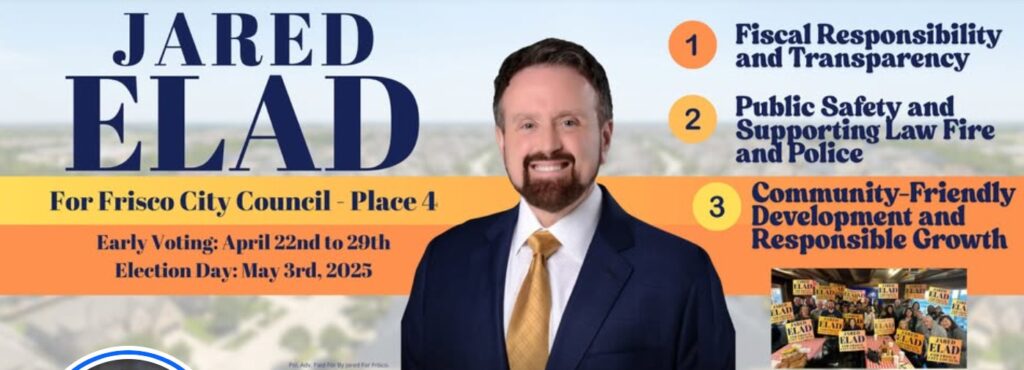
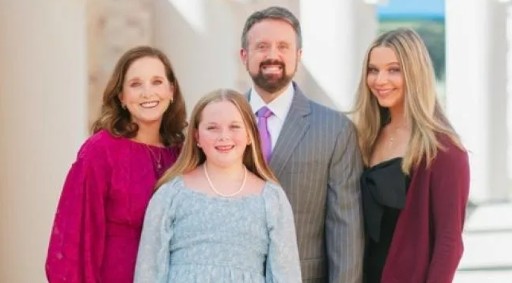


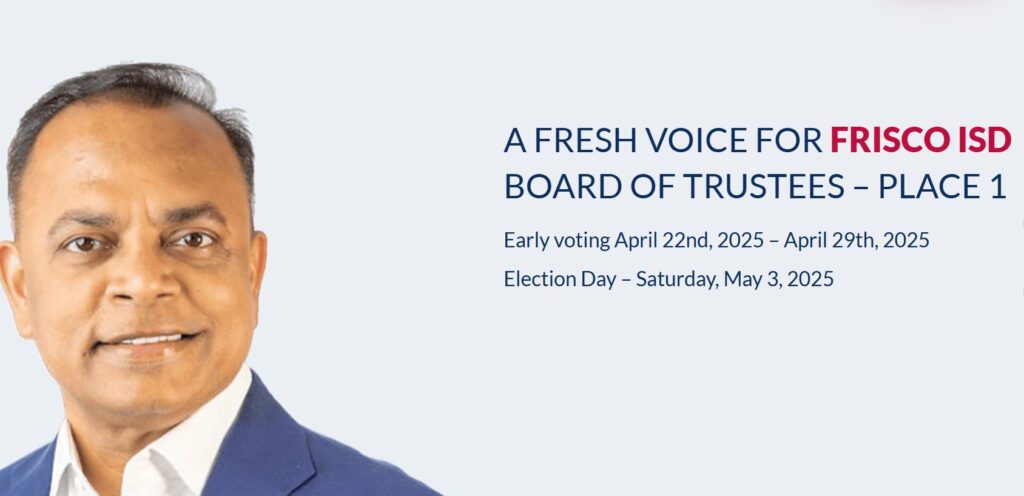


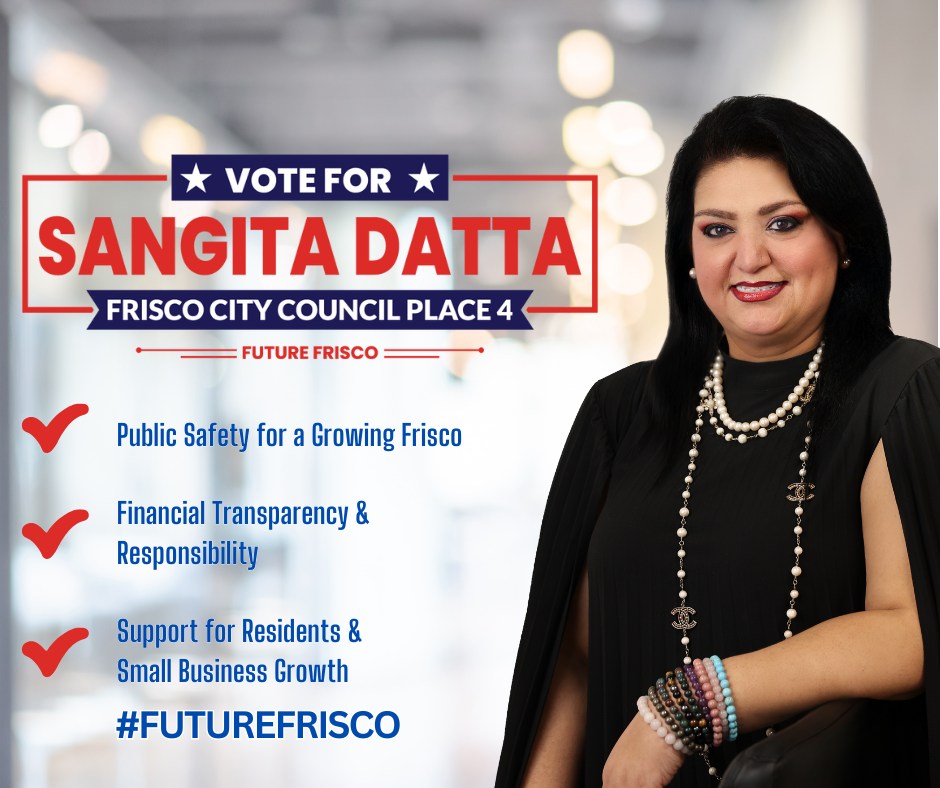


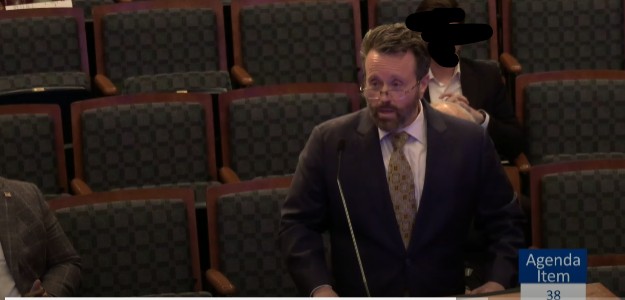
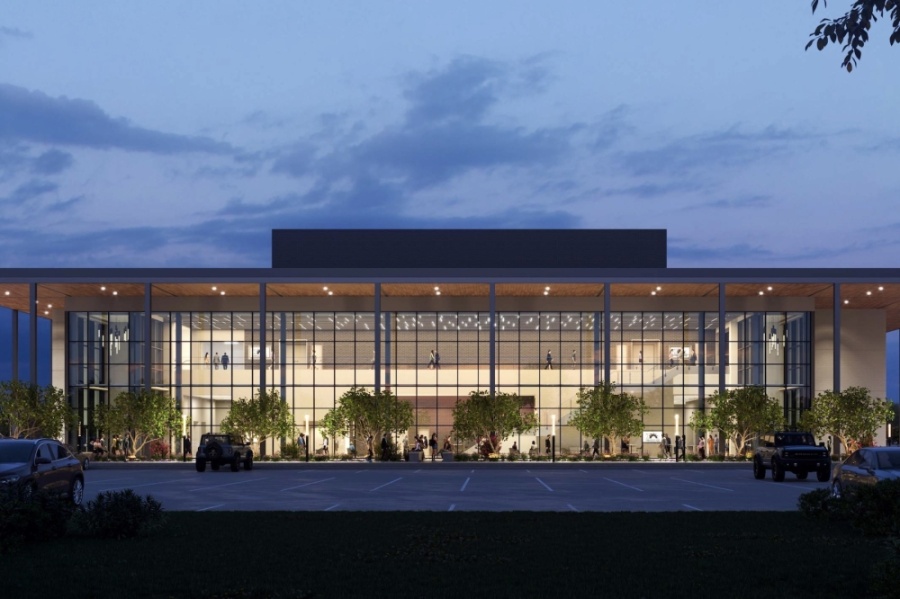
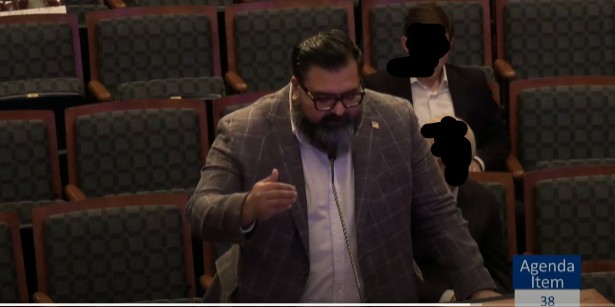
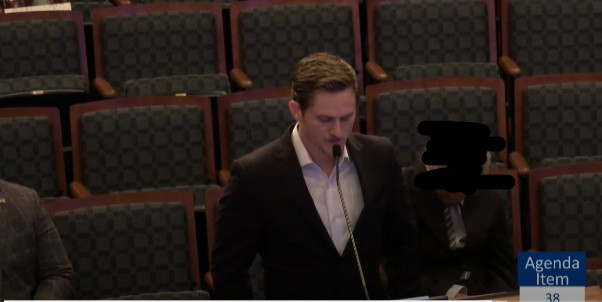
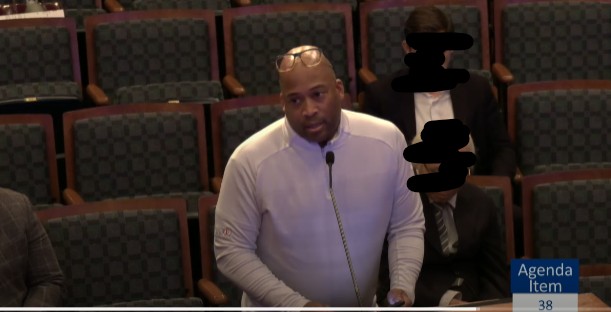

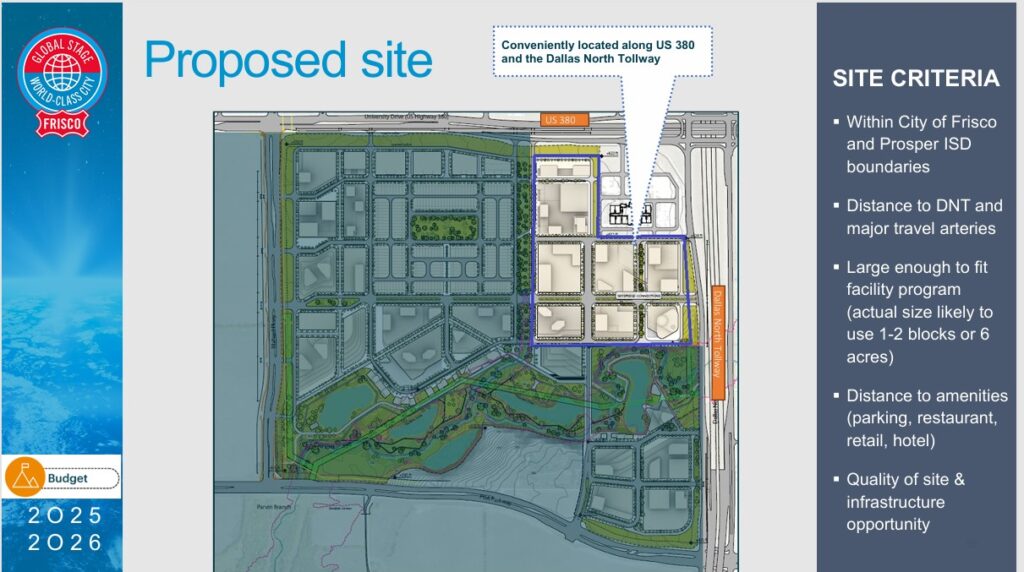

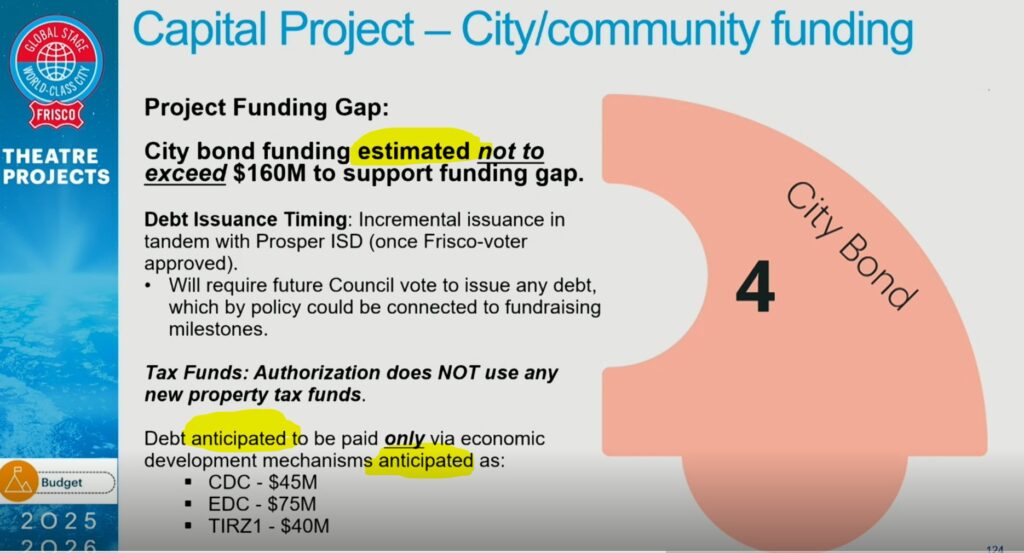
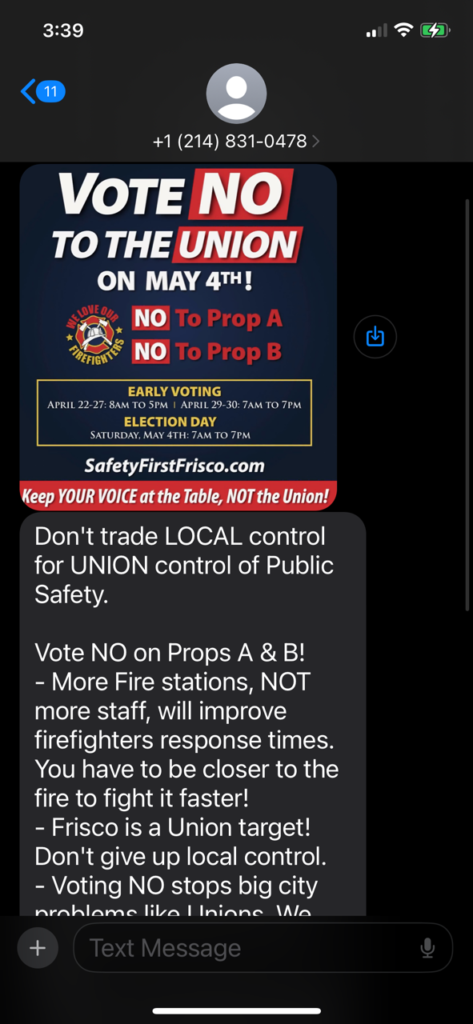


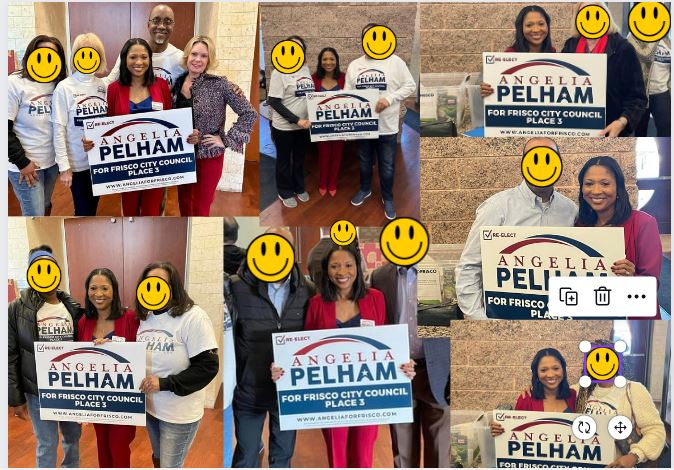
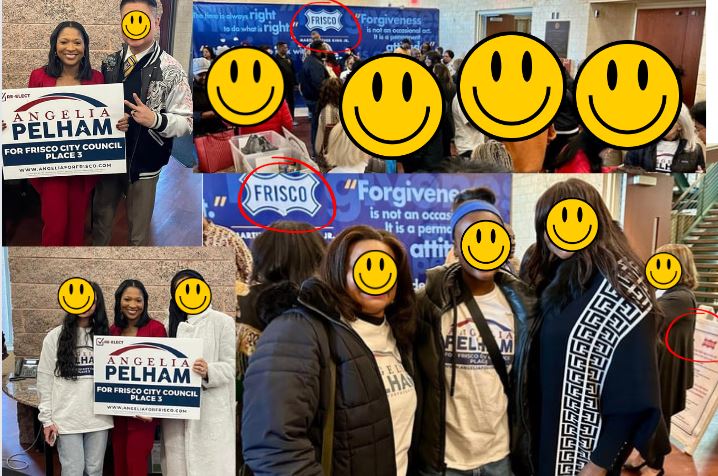

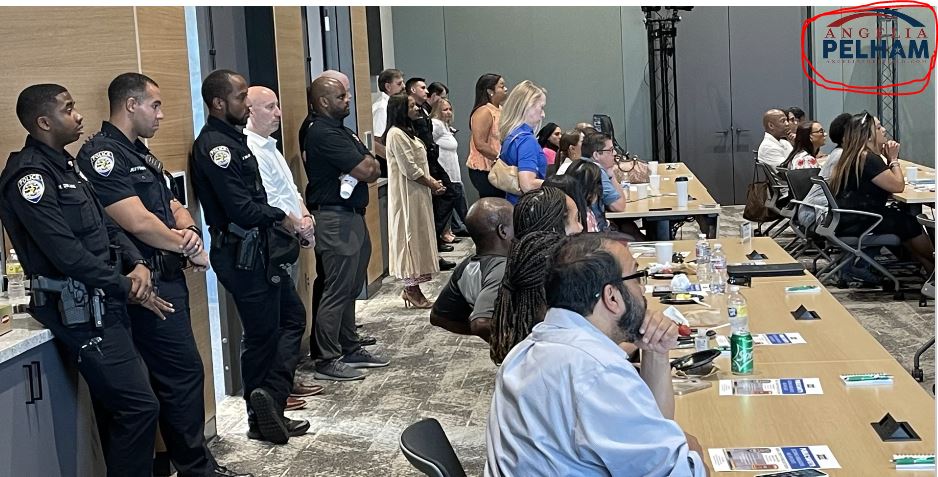
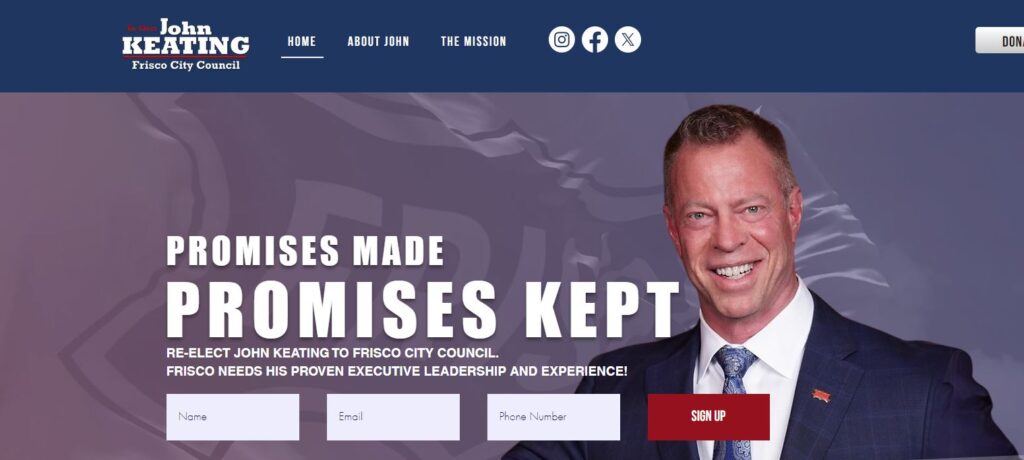
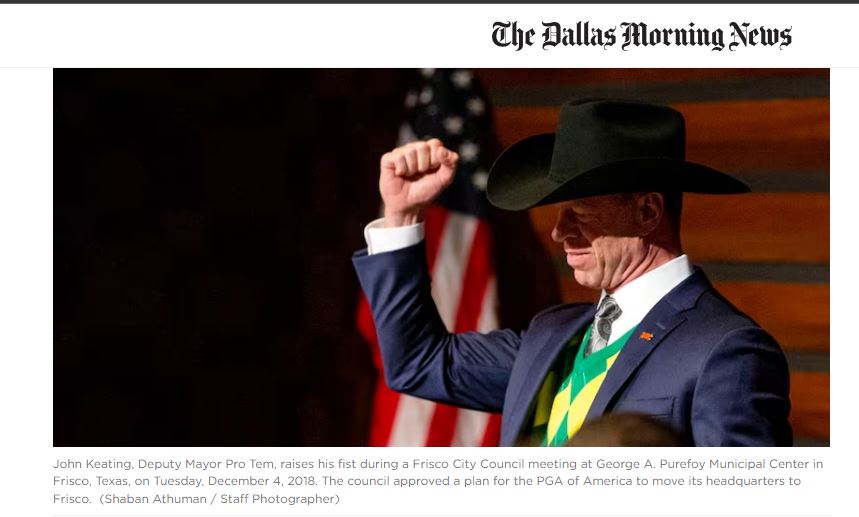

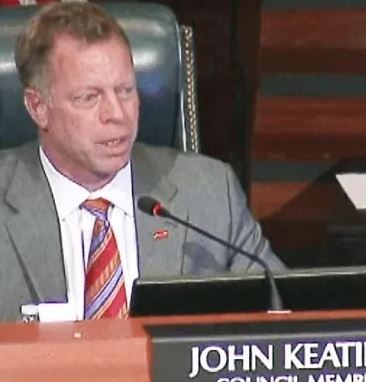
I went to her to ask for help with an issue my child that was getting nowhere with the school,…
So whatever became of the $17 million dollars that the city council gave the Mayor to beautify a drainage ditch?
At last count, there are 3 different "spa/massage" businesses in the small office park at the northeast corner of John…
I literally just saw this. Yeah, she used to forward everybody’s emails behind their backs.
You're dropping truth bombs! These mom and pop shops are what should be the least of Karen's worries. If they…