UPDATE 4/8/26: Per a Facebook Post by Mark Hill For Frisco Mayor he turned in his campaign finance report on time and had the date-stamp to prove it. Hill says the report just had not been uploaded to the city website. We asked him for a copy of the date-stamp in our comment but have yet to receive it. If this is the case, we question how the city secretary who makes an estimated $157,000, made that mistake by not uploading the report. The city is well aware all eyes are on elections and these reports so that is a big error on the cities part.
There’s an old saying: the little things tell you everything.
We looked at the most recent 30-Day Campaign Finance Report for the candidates. The most noticeable problem is that 3 of the candidates did not comply with “STATE LAW” to file their reports. Another candidate turned in their report 4 days late. For the 3 who filed no report, how can residents trust you to run a billion-dollar city budget?
Sreekanth Reddy – Candidate for Place 5
Matthew Chalmers – Candidate for Place 6
Mark Hill – Candidate for Mayor
Rod Vilhauer – Candidate for Mayor (turned in 4 days late)
Let’s be clear—this isn’t complicated. This isn’t obscure. This isn’t optional. If you run for office, you file your campaign finance reports. On time. Every time.
A Pattern, Not a One-Off
While we are upset that these candidates missed the deadline, we are more focused on Mark Hill because he has a pattern of behavior when it comes to his campaign finance reports. This isn’t the first time questions have been raised. In our previous blog, “Who Failed the Campaign Finance Reality Check,” we outlined concerns about missing or non-compliant filings tied to Hill’s campaign activity, including:
July 2024
January 2025
July 2025
Now, here we are again.
The 30-day pre-election report—due April 2nd—has come and gone, and once again, the question lingers:
Where is the report?
The Resume vs. The Reality
Hill’s campaign messaging paints an impressive picture:
Former Frisco ISD Trustee
Experience balancing a billion-dollar budget
Service on economic development committees
Studied finance at Texas A&M
Practicing attorney
That’s a résumé built on fiscal responsibility and governance. Which makes this all the more puzzling.
Because if you understand budgets… If you understand compliance… If you understand finance…
Then you understand deadlines.
So What’s the Problem?
Campaign finance reporting isn’t a suggestion—it’s a legal requirement designed to ensure transparency for voters.
It tells the public:
Who is funding a campaign
Where the money is going
Whether influence is being bought or earned
And yet, voters are left asking:
Why do these reports keep going missing?
Who is responsible—the candidate or the treasurer?
And why hasn’t this been corrected after prior scrutiny?
Yes, a treasurer is listed—Srini Raghavan—but let’s not play bureaucratic hot potato. At the end of the day, the candidate’s name is on the ballot.
Leadership Starts with Accountability
Here’s the uncomfortable truth: Running a city like Frisco requires managing timelines, budgets, and compliance across multiple departments, projects, and stakeholders. If a campaign can’t consistently meet basic state filing requirements…
What does that say about readiness to run a city?
The Bottom Line
This isn’t about paperwork.
It’s about discipline. It’s about transparency. It’s about trust.
Because if you’re asking voters to trust you with hundreds of millions in taxpayer dollars, the bare minimum expectation is this:
You can file a report. You can meet a deadline. You can follow the rules.
Anything less isn’t just an oversight. It’s a warning sign.
Disclaimer: This blog includes satire, parody, and comic relief. It contains summarized accounts created solely for humor and commentary. Any resemblance to real events is either coincidental or intentionally satirical. Reader discretion — and a sense of humor — are advised.
Frisco Chronicles filed numerous PIRs related to the Utility Billing Department today. A full copy of the requests can be found at the bottom of this blog. The reason for filing these PIRs, is because over the last year we have had several anonymous tips of alleged allegations or infractions. Due to the accusations, Frisco Chronicles is requesting more details.
The department is run April Spann – Revenue Collections Manager, and according to OpenGovPay her annual salary in 2024 was $139,363. We also heard that Angela Dowd or Dowell from HR recently moved over to the department even though she has no experience and is paid exceptionally well also.
Allegation #1: Millions of Gallons of Water are “NOT ACCOUNTED FOR”
If this is true, how would the city bill for that water? Who would they bill? Is this the real reason in 2025 the City of Frisco recommended raising our water / sewer rates? Was this an attempt to bill or make up for the lost revenue in millions of gallons of water? Is this why there was a panic and opposition to any upgrades to the Utility Billing system?
In September of 2025, city staff recommended a 9% increase to water rates and a 15% increase to sewer rates to cover increased operational costs. Fees for environmental services such as recycling will increase by $1 for residents and 5% for businesses. Storm water rates are also set to increase by 20% which became effective January 1, 2026.
Why the Increase? Brett Petersen (budget strategic planning manager) explained that the North Texas Municipal Water District’s capital needs and regional debt service are driving a portion of the increases. Staff cited proposed FY26 utility adjustments are necessary to support planned expansions at the Panther Creek and Stewart Creek wastewater treatment plants and new transmission costs. He also noted the proposed addition of 7.5 full-time equivalents (FTE) to the utility fund and about $590,000 in new and replacement capital.
Allegation #2: Recently an “INVESTIGATION” was done into the staff leadership of that department.
Allegedly the entire staff within the department was interviewed for the investigation. Accusations include management not knowing how to run the department, being a bully, and possibly being racist towards staff and customers. Allegedly the department has very high turnover because the manager drives employees away. There is also a preference for only hiring black employees over hiring the most qualified candidate. Other allegations include when customers asked for a payment plan or were at risk of being cut off, she would overturn judgements for black customers only. Finally, there is a lack of experience, items not being recorded or accounted for, and no training for employees.
The Result: Allegedly after the investigation was closed the Billing Supervisor and Assistant Revenue Manager were fired. At that time, Angela Dowd or Dowell from Human Resources, who has no experience, was transferred over to the Utility Department to be the Assistant Manager in Revenue Collections even though she had zero experience or qualifications. Why? Allegedly it was to protect her from being fired in HR.
Same Story, Different Department
The highest salary for a city employee in 2025 was $469,030. The average salary for city employees in 2025 was $72,002, which is 4% lower than the USA average but 28% higher than the Texas state average. The median salary for city employees in 2025 was $66,551, which is 28.2% higher than the Texas state median.
That means the salary range for city employees typically falls between $20,481 and $113,856. The top 10% of highest-earning employees have salaries ranging from $143,765 to $469,030. Those are some good salaries, and most employees don’t leave a high paying job without reason. In this economy, it is not easy to find jobs with some of those salary ranges.
We have reported issues in several departments across the city in the last few years including the Fire Department, Human Resources, Public Works and now Utilities. Why do similar accusations keep coming up repeatedly just in different departments? If you have a problem with one person, chances are it’s them (not you). If you have a problem with several people, all the time then you need to stop and look in the mirror because the problem is most likely you!
The City of Frisco has the same problems (just a little different in nature) in each department. Problems from bad leadership, preferential treatment, retaliation, intimidation, racism, and sexual affairs. How many investigations has this city done in the last 5 years into city departments. It seems to me quite a few and that can only mean there is a lack of leadership and management across the city. All of this, and it does not even include the alleged issue into the Meter Change Out Program. Where will it end? We will report back whatever we learn from the recently filed PIRs. However, we expect the city will try to delay and send the request to the Attorney General just like they did with the Employee Health Clinic. Transparency at its best!
Get Out & Vote
We are about to elect a New Mayor, and two new city council members. This is important because we need really people in this city who will hire a city manager who can take care of these issues and create a work environment our employees deserve. Pay attention to these candidates running for office and do your research! It is vital to our city employees and residents that change happens.
Disclaimer: This blog includes satire, parody, and comic relief. It contains summarized accounts created solely for humor and commentary. Any resemblance to real events is either coincidental or intentionally satirical. Reader discretion — and a sense of humor — are advised.
Copy of Frisco PIR’s Filed April 4, 2026
Pursuant to the Texas Public Information Act, I am requesting access to and/or copies of the following records related to the Utility Billing Department and Revenue Collections Division: Internal Investigations Any and all records, reports, findings, summaries, or communications related to investigations conducted within the Utility Billing / Revenue Collections Division within the past 3 years. This includes complaints, interview notes, conclusions, and any disciplinary recommendations or actions taken. Personnel Actions Records reflecting terminations, resignations, retirements, or reassignments of employees within the Utility Billing / Revenue Collections Division during the past 3 years, including but not limited to supervisors and management-level staff. Documents explaining the reasons for such personnel actions, where available. Organizational Structure & Hiring Current and past organizational charts for the Utility Billing / Revenue Collections Division. Job descriptions, qualifications, and hiring criteria for management positions within the division. Records related to recent hiring decisions for supervisory or management roles (last 5 years). Customer Account Policies & Enforcement Policies and procedures governing utility disconnections, payment plans, and account adjustments. Any internal audits, reviews, or reports evaluating how these policies are applied. Aggregate data (no personal identifiers needed) showing approval/denial rates for payment plans or disconnection decisions over the past 3 years. Employee Complaints / Workplace Environment Records of formal employee complaints, grievances, or HR reports related to workplace conduct, management practices, or department leadership within the Utility Billing / Revenue Collections Division. Any employee climate surveys or internal assessments conducted in the past 3 years. Communications Emails or internal communications among department leadership, HR, and executive staff referencing: Department performance Employee concerns Investigations or complaints (Limit to the past 3 years to reduce scope if needed.)
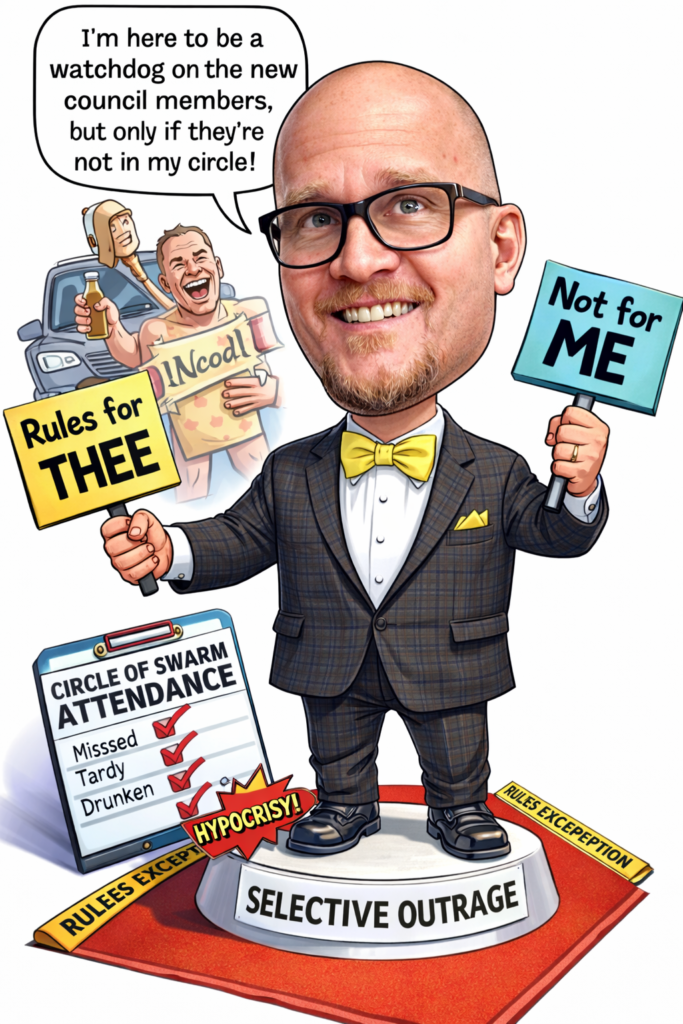
In politics, outrage is rarely accidental. It’s often carefully aimed, strategically timed, and—when necessary—conveniently forgotten. That’s what we call Selective Outrage: when politicians and their allies suddenly discover their moral compass, but only when it points at someone outside their circle.
On December 2, 2025, former Frisco councilman Bobblehead Bill Woodard stepped up to the podium during Citizens’ Input with a speech that sounded, at first, like a heartfelt defense of professionalism at City Hall. After all, according to Woodard, during his 20-plus years in Frisco one of the things he was “most proud of” was the professionalism shown by board and council members while serving on the dais.
Touching. Inspiring. Almost nostalgic.
But as the speech unfolded, what residents actually witnessed was less a thoughtful reflection and more what could best be described as an emotional support tantrum wrapped in a watchdog costume. By the time Woodard finished, his concern for the city’s reputation had been carefully aimed at two of the newest council members—members who, coincidentally, are clearly not part of the inner Frisco Swarm circle.
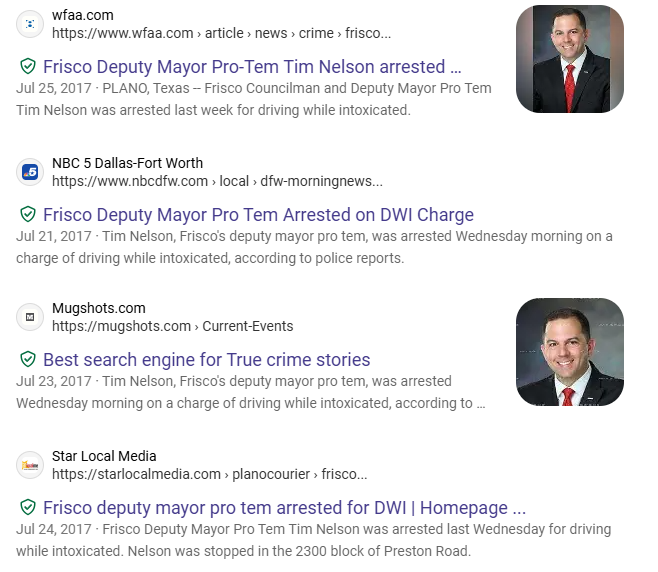
We’ve seen this movie before. In fact, we wrote about it in our earlier blog “Butt-Hurt Politics.” Because here’s the question no one asked from the podium that night: Where was this outrage before? Woodard didn’t rush to the microphone when former Frisco Deputy Mayor Pro Tem Tim Nelson was arrested for alleged drunk driving. There was no impassioned lecture about protecting the city’s reputation then.
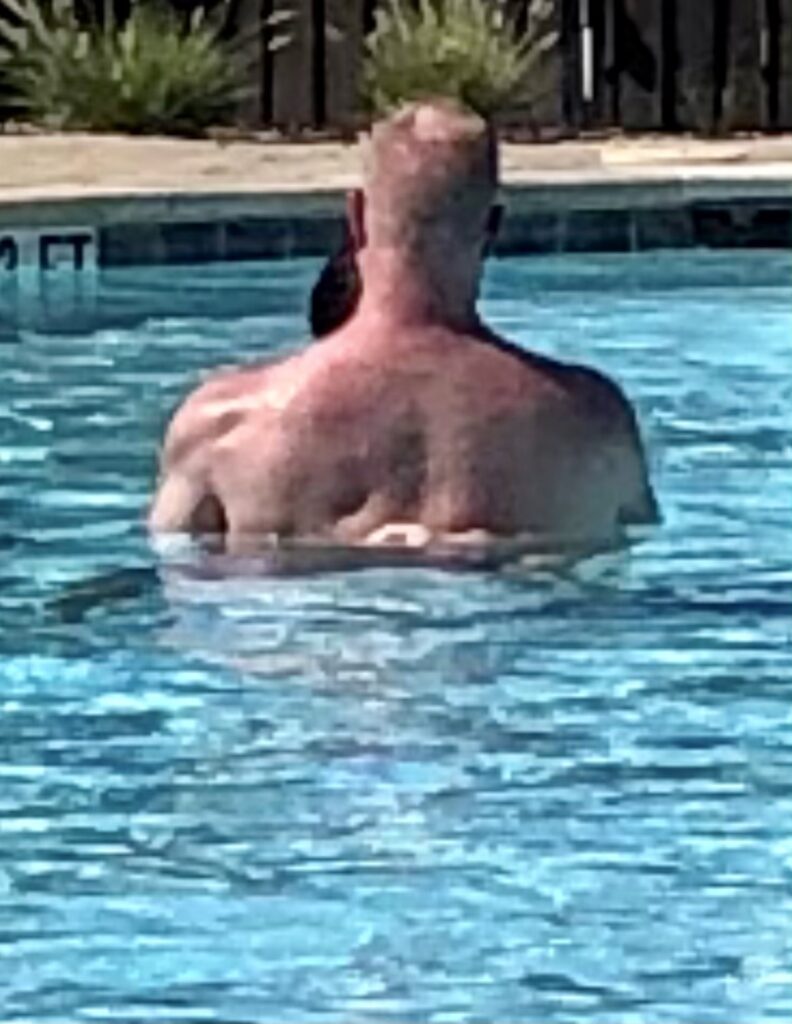
He didn’t sound the professionalism alarm when John “Cheating” Keating was allegedly spotted a few years ago over a Fourth of July weekend at a community pool with a woman (not his wife) who happened to serve on one of the city’s boards.
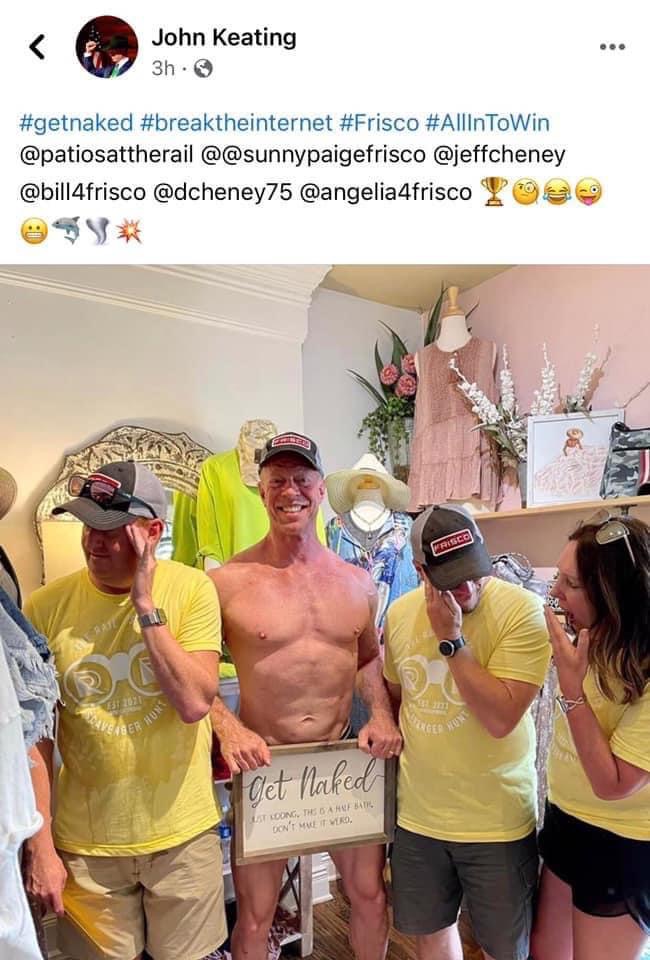
And apparently there was no emergency meeting of the Professionalism Police when Keating once posed holding a sign reading “Get Naked” over his private parts, creating the illusion he was standing there unclothed—while Mayor Jeff Cheney and the First Lady laughed along.
No speeches. No lectures. No watchdog warnings about Frisco’s reputation.
But suddenly, when two new council members stumble, miss a meeting, or crack a joke on the dais, Bobblehead Bill finds his whistle and climbs into the referee tower. That’s not accountability. That’s Selective Outrage.
From his self-appointed pulpit as an anonymous member of the Frisco Swarm, Woodard seems eager to call out mistakes made by newcomers while conveniently overlooking the long list of missteps made by those inside his own political circle. Even more interesting? After hearing Woodard’s lecture on attendance, preparedness, and professionalism, we decided to do something radical: We checked the receipts.
And what we found in the city’s own Governance Board meeting records raises a few questions about whether the standards Woodard preached on December 2 have actually been applied… consistently… fairly…or evenly. Spoiler alert: they haven’t.
But that’s where things get even more interesting. Because if Bobblehead Bill believes showing up late, missing meetings, or leaving early is a threat to the reputation of the City of Frisco… then residents deserve to know whether everyone is being held to the same standard—or just the people outside the Swarm. And that’s exactly what we started digging into.
According to Woodard, missing meetings, arriving late, or leaving early was not just disappointing… it was disrespectful to the citizens of Frisco and damaging to the reputation of the city. Those are strong words. So naturally, we decided to take Woodard’s advice and focus on the facts. If attendance and professionalism are truly the gold standard for serving the public, then it should apply to everyone—past and present. Right?
Let’s Check the Record: Previous Governance Meetings 2022 – 2025
We started by reviewing the Governance Board meeting minutes available through the city website. What we quickly discovered is that the online records are… incomplete.
Still, the minutes that are available tell an interesting story.
Here are a few examples:
June 23, 2022 – Bill Woodard was absent from the Governance Board meeting.
March 15, 2022 – John Keating was absent from the Governance Board meeting.
April 2, 2024 – Bill Woodard left the meeting early.
February 4, 2025 – Angelia Pelham arrived late to the Governance Board meeting.
Now remember Woodard’s speech. His words were clear:
“The citizens of Frisco expect and deserve representatives show up to do the work. On time and prepared.” Fair enough. But if attendance issues are grounds for public lectures at Citizens’ Input, it seems reasonable to ask: Does that standard apply to everyone—or just certain people?
The Curious Case of Missing Minutes of 2026
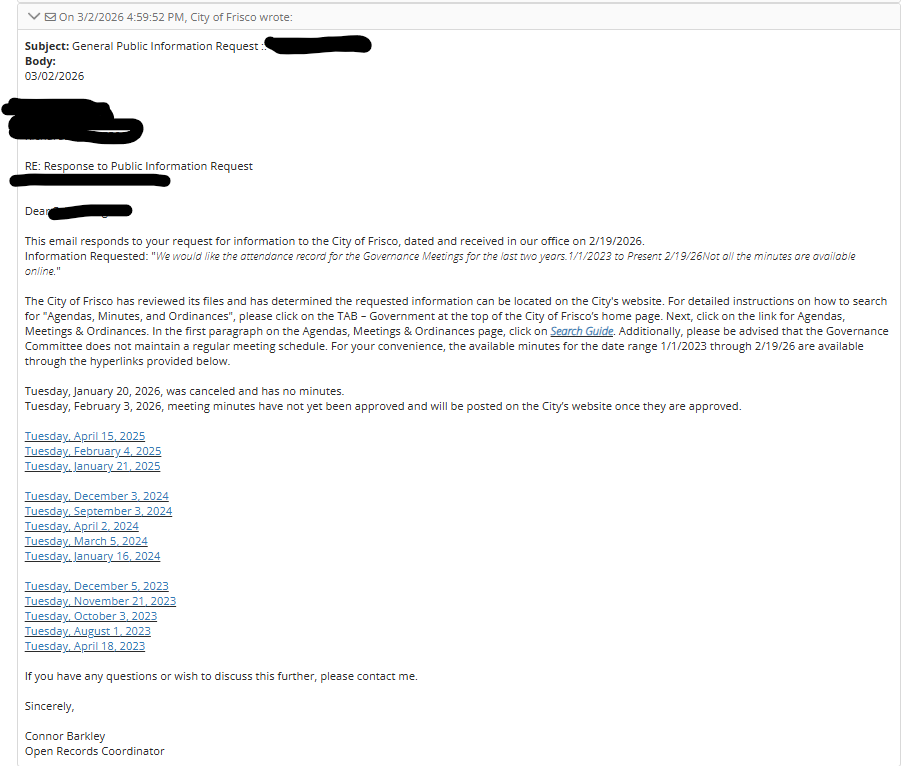
On February 19, 2026, Frisco Chronicles filed a Public Information Request (PIR) asking the City of Frisco for attendance records for Governance Board meetings from January 1, 2023, to the present. We also noted in the PIR that not all meeting minutes appear to be available on the city’s website.
The city responded on March 2, 2026 with a simple explanation:
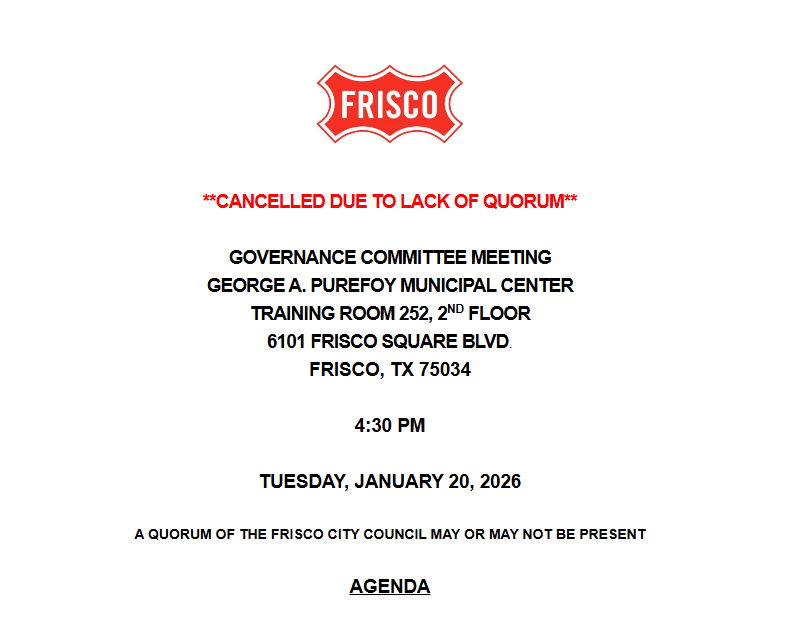
January 20, 2026 meeting shows it was canceled due to lack of quorum. No explanation was provided as the minutes are not posted to the city website.
February 3, 2026, minutes have not yet been approved, so they are not posted.
Then the city closed the request with the status: “Information on Website.”
Things got even more interesting when we looked at the 2026 Governance Board meetings minutes online at the city website.
According to a city insider, the January meeting reportedly lacked quorum because Burt Thakur and Jared Elad misunderstood the meeting date. The next meeting on February 3, a city insider told us the meeting was delayed 20 to 30 minutes because Angelia Pelham arrived late. But since the minutes aren’t publicly posted, residents can’t verify what actually happened. So, we did what any curious citizens would do.
Which raises a simple question: If the minutes exist but just haven’t been approved yet… why not post them with a note that they are subject to approval? Many cities do exactly that in the interest of transparency. But apparently in Frisco, some information moves at the speed of government… while outrage moves at the speed of politics.
The Real Question
Bobblehead Bill Woodard pretends to have an independent point of view and clearly has no issue stepping up to the podium to lecture two new council members about attendance and professionalism. Yet when members of the Frisco Swarm, including himself, miss meetings, arrive late, or leave early, the watchdog appears to take a nap.
No speeches. No Citizens’ Input lectures. No public scolding about the reputation of the city. That’s not accountability.
That’s Selective Outrage.
But Wait… There’s More
After hearing Woodard’s speech about high expectations, we decided to take the research one step further. How many council meetings or work sessions have sitting members council members been late to or been absent from? And, because council members aren’t the only ones expected to show up and do the work we looked into the dozens of boards and commissions, filled with citizen representatives, many of whom were appointed by the same political circle now demanding perfection from others.
The next logical question is simple: Do those appointees meet the same attendance standards? Or does the outrage stop there with just two new council members? That’s exactly what we started digging into next. And what we found might surprise you.
Stay tuned for Part 2: The Attendance Records of City Council and City Boards and Commissions
Disclaimer: This blog includes satire, parody, and comic relief. It contains summarized accounts created solely for humor and commentary. Any resemblance to real events is either coincidental or intentionally satirical. Reader discretion — and a sense of humor — are advised.
For years we have watched our city leaders and city management make rules for thee but not for them. Residents are tired of those on the dais making up their own rules. The final straw was then they allowed a private citizen who was not sworn in as a council member because there was an open recount into closed session. That evening potentially broke so many Texas Open Meetings Act rules and it is time for the pipers to pay the price.
Help us share the petition, spread the word across the community via social media tools to have Frisco Residents, Frisco Business Owners, and Frisco Landowners demand better.
Petition Title: Demand Investigation into Potential Texas Open Meetings Act Violations on February 17 Frisco City Council Meeting
Petition Addressed To:
Greg Willis -Collin County District Attorney
Texas Attorney General’s Office
State Bar Association of Texas
Call To Action: Hold Frisco Officials Accountable for Potential Violations of the Texas Open Meetings Act
On February 17, 2026, the Frisco City Council recessed into an Executive Closed Session under the Texas Open Meetings Act to discuss sensitive legal, personnel, and economic matters. Executive sessions exist for one reason: to allow limited, confidential discussions among authorized officials when the law permits it.
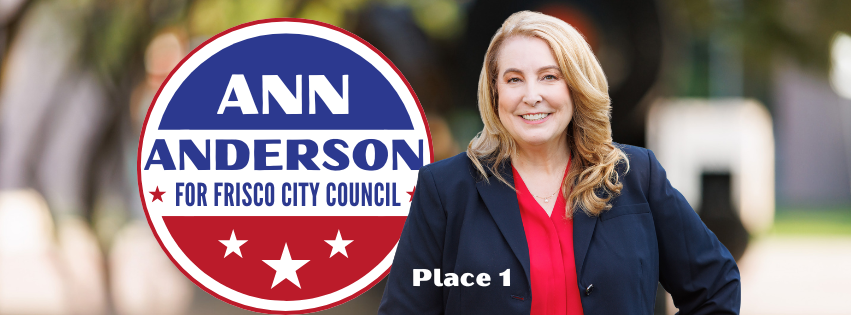
However, during this closed session, Frisco resident Ann Anderson, who recently won a special election by a small margin of votes and was facing an official recount, was reportedly allowed to attend the confidential executive session. At the time Anderson had not been sworn in and taken her oath at a city council meeting in front of the public.
Matters Discussed Per City Agenda include:
A. Section 551.071. Meeting with City Attorney regarding a matter(s) in which the duty of the City Attorney under the Texas Disciplinary Rules of Professional Conduct of the State Bar of Texas conflicts with the Open Meetings Act regarding:
i. Receive legal advice regarding trademark issues.
ii. Receive legal advice regarding proposed interlocal agreement with Collin County, Texas, and other political subdivisions for the use of the Collin County Animal Shelter and related issues.
iii. Receive legal advice regarding JDHQ Hotels LLC v. City of Frisco, Texas in Cause No. 493-07806-2025 pending in the 493rd District Court in Collin County, Texas.
These topics involve sensitive negotiations and legal strategy, which is precisely why the law restricts who may attend such sessions.
B. Section 551.072. To deliberate the purchase, exchange, lease or value of real property located:
i. North of Stonebrook Parkway, west of Preston Road, east of Dallas North Tollway, and south of Eldorado Parkway.
C. Section 551.074. Personnel Matters: Section 551.074 authorizes certain deliberations about officers and employees of the governmental body to be held in executive session:
i. Deliberate the appointment of Mayor Pro-Tem and Deputy Mayor Pro-Tem.
D. Section 551.087. Deliberation regarding commercial or financial information that the City has received from a business prospect or to deliberate the offer of a financial or other incentive to a business prospect.
Why This Investigation Is Necessary
1. Potential Destruction of Attorney-Client Privilege
The closed executive session included legal advice from the City Attorney. Section 551.001 et. seq. Texas Government Code reads “Consultation WITH ATTORNEY – to seek legal advice on pending or contemplated litigation or settlement offers.” The purpose of this provision (Texas Government Code §551.071) is to protect confidential legal advice and attorney-client privilege.
Allowing an unauthorized individual into such a meeting may waive privilege and undermine the legality of the session. It also violates the confidentiality required by the Texas Open Meetings Act.
The presence of an unauthorized individual (Ann Anderson) during legal consultations may invalidate attorney-client privilege, potentially exposing the City of Frisco to legal and financial risk. This raises serious questions regarding the actions of City Attorney Richard Abernathy and whether the integrity of the executive session was compromised.
2. Protection of Public Transparency
The Texas Open Meetings Act exists to ensure public business is conducted openly and lawfully. If the rules governing executive sessions are ignored, the public loses trust that decisions are being made legally and transparently.
3. Pattern of TOMA Concerns
Many Frisco residents have raised concerns about potential TOMA violations over the years. Examples include:
For example, Mayor Jeff Cheney maybe repeatedly violate TOMA when he responds to citizens at length during Citizen’s Input or Public Testimony. Or when the city has prepared a full presentation which is displayed during Citizens Input to try and suppress residents from speaking.
Walking Quorum: That is where members violate, Texas Open Meetings Act (TOMA), Section E which states a violation occurs when there is a series of communications outside a public meeting among members of a governmental body is used to secretly deliberate public business and collectively involves enough members to constitute a quorum. That includes backroom, back-to-back, whisper-to-whisper communications about city business that add up to a quorum. Doesn’t matter if it’s by text, email, smoke signals, or gossip in the golf cart. Section 551.143 spells it out: if you have a walking quorum – you’ve just committed a criminal offense.
We published text messages which showed a potential walking quorum in our blog Walking Quorums and Wobbly Ethics. For years the council has been having discussions about who should be Mayor Pro Tem and Deputy Mayor Pro Tem in private. However, ALL COUNCIL DECISIONS (LIKE MPT / DMPT) HAVE TO BE POSTED AND DISCUSSED IN PUBLIC.
Example: 4 City Council Members Seen Together at PGA
Call To Action:
For this reason, we are calling for an immediate investigation and enforcement of the Texas Open Meetings Act. Relevant Texas Law states, “Under the Texas Open Meetings Act (Texas Government Code Chapter 551), closed meetings are strictly regulated.”
I. Criminal Investigation by Collin County District Attorney’s Office (Greg Willis)
We ask Collin County District Attorney Greg Willis to investigate whether violations of Texas Government Code Chapter 551 occurred during the February 17 executive session. If violations are found, we are asking the Willis to enforce the law and penalties that apply.
II. Attorney General Review
We ask the Texas Attorney General’s Office to determine whether the presence of an unauthorized individual waived confidentiality, and whether documents, recordings, communications, and notes related to the session should now be treated as public records.
III. Professional Conduct Investigation by Texas Bar Association
We ask the State Bar of Texas to investigate whether City Attorney Richard Abernathy violated the Texas Disciplinary Rules of Professional Conduct by allowing a non-authorized individual to attend privileged legal discussions. Ann Anderson’s
Who Should Be Investigated: Any investigation should review the conduct of those present in the executive session, including:
Mayor Jeff Cheney
Mayor Pro-Tem Angelia Pelham
Deputy Mayor Pro-Tem Laura Rummel
Council Member John Keating
Council Member Brian Livingston
Council Member Burt Thakur
Council Member Jared Elad
City Attorney Richard Abernathy
City Manager Wes Pierson
Frisco resident Ann Anderson
In Closing: Sign This Petition
Residents of Frisco deserve a government that follows the law. The Texas Open Meetings Act exists to protect citizens from secret decision-making and backroom politics. If elected officials or city leadership ignore these laws, the public’s trust in local government erodes.
Accountability is not optional. Transparency is not negotiable. The rule of law must apply equally to everyone.
Sign this petition to demand transparency, accountability, and enforcement of the Texas Open Meetings Act.
Disclaimer: This blog includes satire, parody, and comic relief. It contains summarized accounts created solely for humor and commentary. Any resemblance to real events is either coincidental or intentionally satirical. Reader discretion — and a sense of humor — are advised.
Bond, Frisco Bond! Yes, we took a line from James Bond aka 007! Sean Connery, who played James Bond in 1962, was the first to deliver this iconic phrase that would be repeated in several of the 007 movies. One thing is certain, none of the Bonds following Connery delivered the phrase with the same magic as he did the first time around.Connery was my favorite Bond, and he starred in seven of the films from 1962 to 1983. If you are a Bond fan then you know not to mess with a Bond, even a Frisco Bond! After digging into the Battle of the Benjamins (Budgets) we decided to take a deep dive into the Frisco Bonds put before citizens. We made “A Martini. Shaken, Not Stirred” as Bond said in Goldfinger in 1964, and started researching. Now it is time for you to grab some popcorn and watch Frisco Bond unfold!
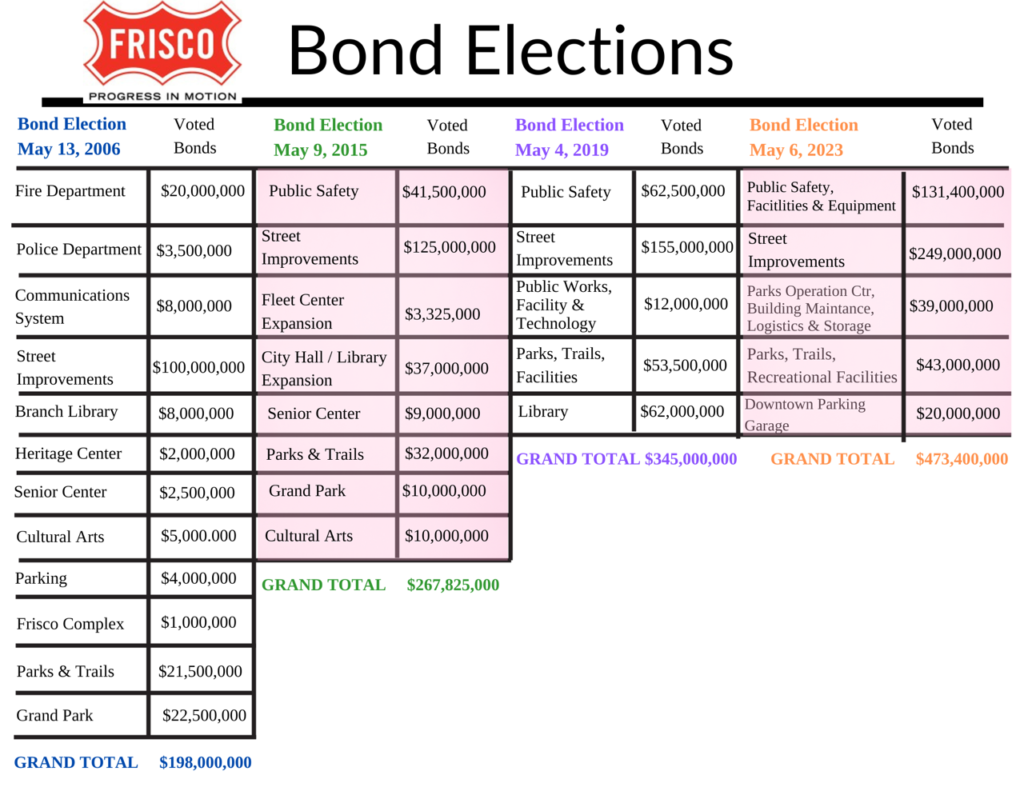
What if we told you that since 2006, residents have been asked to approve a whopping total of $1,285,225,000 in bond propositions? Would that get your attention? Many don’t understand bond elections so first we wanted to answer the simple question of what is a bond. Simply put, bonds are loans governments or government agencies use to fund day-to-day obligations and to finance capital projects such as buildings, city parks, and/or future developments. Most cities pass General Obligation Bonds which are backed by the “full faith and credit” of the issuer (aka city) which has the power to tax residents to pay bondholders.
Now ask yourself, out of general election bonds residents have been asked to vote for since 2006, how many were issued? What capital improvement projects were completed? How was the money used? When we heard about the 2023 bond we started to follow the progress. There was a big debate about having an animal shelter on the bond. To be honest, we thought the city already had one, so we were surprised to learn the city outsources it to Collin County.
We watched a YouTube video by Be The Change with Jesse Ringness where the council and city leaders discussed the animal shelter and 2023 bond. It is hard to hear everything but from what we can tell Mayor Cheney started to lament which he does often and for a long time (29:36 mark). He said, we have never put anything on the bond that was not supported by the staff or that we didn’t think would pass. Then he mentions it feels like a disingenuous proposal and that it is more of an item used for postcard election votes, which he would know about. Then he suggests that the bond committee consider putting that request or $5 million into the city facilities request instead. This way if the city determines it needs an animal shelter down the road the money is there for a “city facility” otherwise they have the money to use towards another project.
Then he proceeds to ask, what are we actually putting on the ballot? Are you putting $5 million on the ballot to somehow seek citizen approval? And if it happens, which I would expect it to, because right now, everything we have put on the ballot in Frisco has passed becausewe have a lot of public trust. Citizens know when they see a ballot for a bond election, it is only for items the city needs, we know it has been fully vetted, we know that staff fully supports it, and we know Frisco needs it.
Mayor Cheney’s statements left us with some questions. We were curious, if the city will only put items on the bond supported by staff then why have a citizen’s bond committee? If we look at past bonds would we find all the items brought to the ballot were VETTED or something we know FRISCO NEEDS? It is time to jump out of the plane and find out!
We went back to 2006 to look at the 12 Propositions approved by voters for a whopping $198 million dollars. We found two articles with conflicting information. The first was a Dallas Morning News article in January 2015 that reported that $33 million of 2006 bonds had not yet been issued. Just 4 months later, in May 2015, Community Impact reported that “$22.5 million in authorized bond funds remain.”
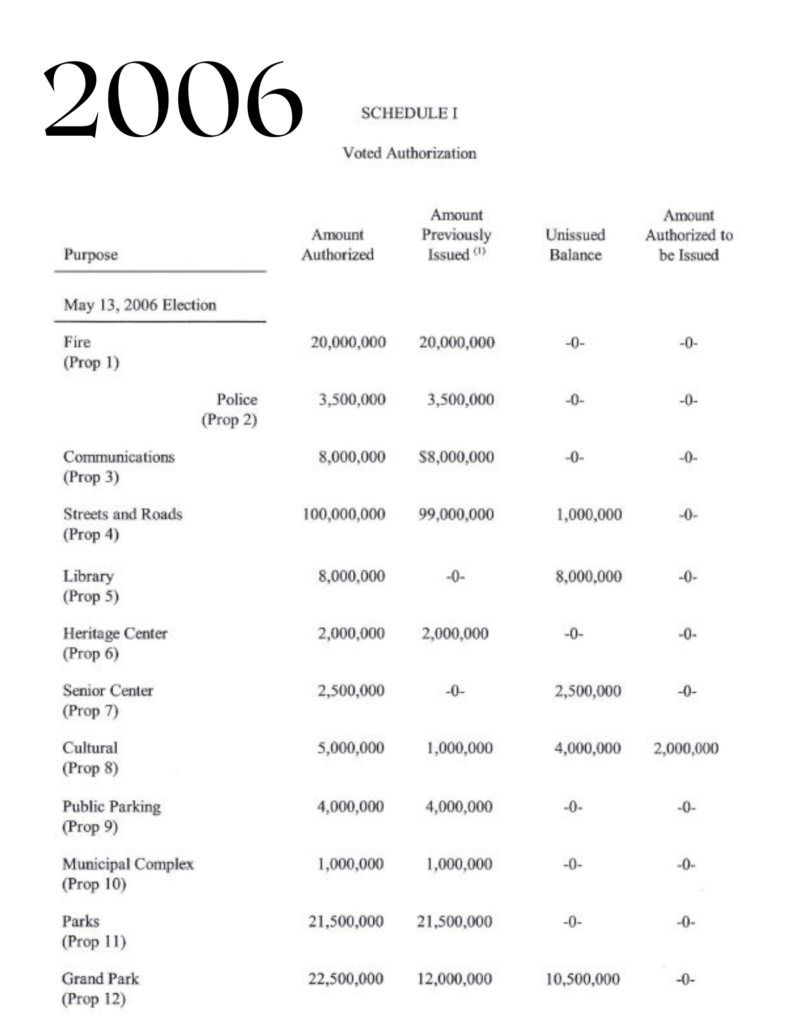
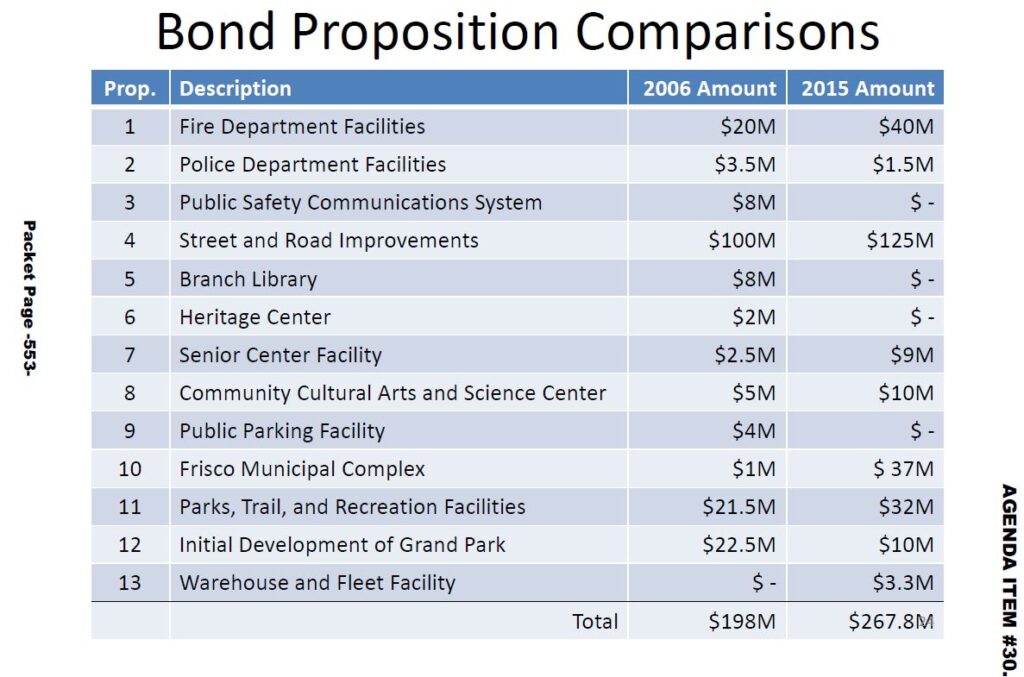
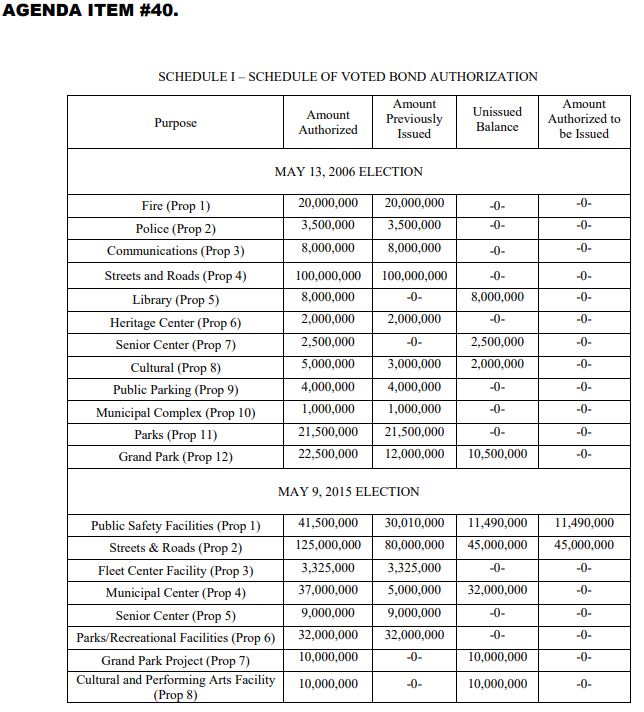
Confused, we went digging and searched city records where we found that at the June 2006 Frisco City Council meeting they authorized the sale of $143,560,000 million from the 2006 bond election. The ordinance states it is for road improvements, constructing, improving, and equipping public safety facilities consisting of the fire department facilities, parking for the police headquarters building, public safety training facility, acquisition and installation of warning sirens, fire trucks, and equipment, and the acquisition of land and interest in land for such projects (Public Safety Facilities), constructing and improving parks, trails and recreational facilities, and the land acquisition of “Park Projects.” Might be easier to look at this Voted Bond Authorization photo below from the June 6, 2016, council meeting agenda package. We will reference it later.
Confused, we decided to break it down by some of the big projects. Bond loves to make a grand entrance so let’s start with Grand Park. In 2006 voters approved $22.5 million dollars for Grand Park, then in 2015, they approved another $10 million dollars for Grand Park for a total of $32.5 million dollars. In the 2019 bond election, Parks, Trails, and Facilities asked for $53.5 million, and in the 2023 bond election $43 million. Neither the 2019 nor 2023 bond election state that any of the money will be used for Grand Park as they left it more generic.
In an article discussing the 2015 bond the DMN noted that the $10 million being asked in the 2015 Bond would be combined with the $10 million in bonds approved by voters in 2006 for PHASE ONE near the DNT and Cotton Gin Road. If you reference the 2006 bond photo you will see voters approved $22.5 million for the Grand Park Acquisition and Initial Development. Out of that amount, $12 million of those bonds were issued and we are curious what for? Work was delayed for years in Grand Park due to the Exide Technologies battery plant contamination. Dallas Morning News reported in June 2013 that a report listed various problems documented over the years with contamination to Stewart Creek which runs right through the future Grand Park. So, why did the city issue $12 million of the bonds, what was it used for?
In 2021 CBS News 11 ran a story that Frisco’s Grand Park is no longer an “Urban Legend” as the city can finally finish the Exide cleanup. The story notes that City officials said the cleanup process could take another five to seven years to complete but the city has funding and, for the first time, the control to do it. CBS quoted Mayor Cheney, “This park will actually be bigger than Central Park in New York.” However, while it all sounds like a grand idea, after years of talk and no development, Cheney understands why many residents have become skeptical. Mayor Cheney said he hopes the city can put a shovel in the ground to start Grand Park by the end of the year. According to Community Impact, Big Bluestem Trail was finally ready for its public debut on November 19, 2022. City officials held an inaugural trail walk and Shannon Coates, Parks Director said “This is PHASE ONE of a multiyear development.” I wonder if they mean the Phase One they talked about in 2006/2015.
Well, if the 2006 bond was for PHASE 1 and we just completed Phase 1 in 2022 as Shannon Coates implied, then why did the city sell the bonds back in June 2006? Why would you ask citizens to vote for something that the city could not put a shovel in the ground for until 15 years later? The $12 Million issued by the city is that we paid for a contaminated future park. Did they use it to clean up Exide, if they did, voters should know that the money they voted for did not go to the park but to the clean-up of another issue that ultimately affected the park. Mayor Cheney, when the city asked residents in 2006 and 2015 to Vote Yes for the Grand Park propositions – WERE THEY FULLY VETTED AND SUPPORTED BY CITY STAFF? It sure does not sound like a plan was in place, maybe a dream, but definitely no fully vetted plan.
Next up is a place for Bond to park his sexy roadsters. In the 2015 Election Bond, Frisco asked citizens for $1.5 Million for a Police Department parking garage. A DMN article from January 2015, it noted the money would be combined with $1.5 Million from a previous bond election to fund the parking structure for police vehicles. Remember above, in June 2006 the council approved the sale of $143,560,000 million from the 2006 bond election. One of the items the ordinance stated it was for was parking for the police headquarters building.
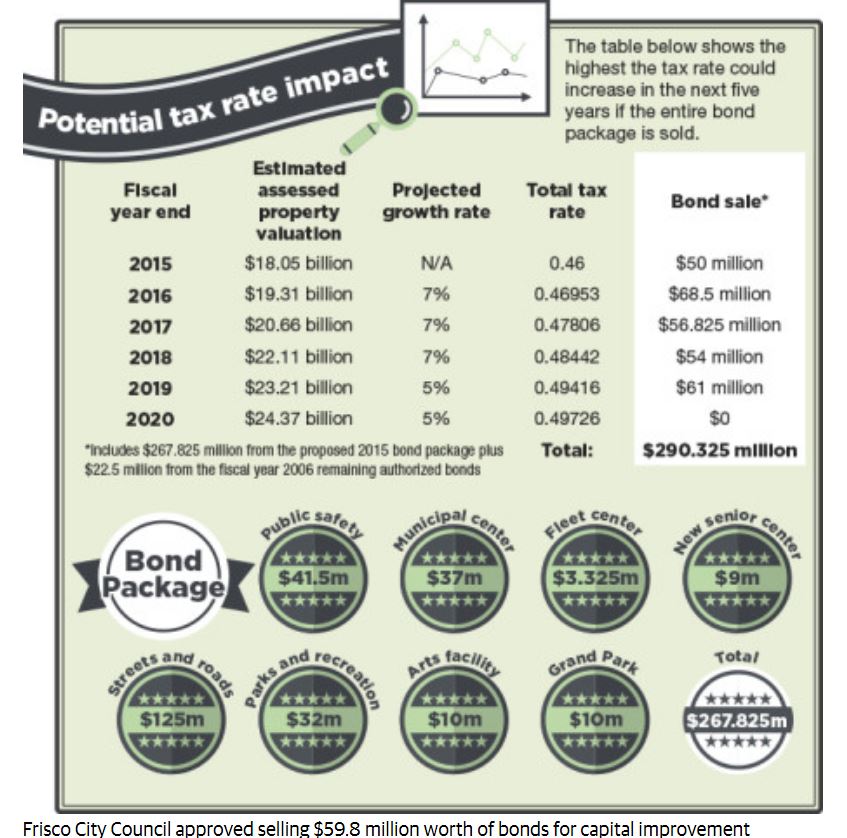
Then, according to Community Impact in 2015, the city sold $59.8 million worth of bonds, the first from the $267.825 million from the voted approved bonds in the 2015 election. It noted the bonds sold would go to several items, one being the parking structure for the police facility.
Then in 2023, Frisco asked voters again for a parking garage for the Police Department. That means 3 times voters have been asked for a parking garage. Guess what? As of today, WE HAVE NO PARKING STRUCTURE! So again, we ask Mayor Cheney was this project FULLY VETTED?Was there a plan supported by staff? If yes, then why did we not build it after issuing the bonds back in 2006 and 2015, when it probably would have cost less? We all know that after the Pandemic, costs for construction have skyrocketed. Now we will be paying more for the parking garage that they approved the bond sale for back in 2006 & 2015.
Bond 007 likes a good Rembrandt, so let’s look at the Arts! In the 2006 bond election, the city asked for $5 Million. According to a Community Impact Article from January 2015, in 2006 voters approved $5 million and about $1 million contributed to the creation of the Frisco Discovery Center, which houses the Black Box Theater and art gallery. That is confirmed in the 2006 Bond photo above.
Then in 2015, bond committee member Tammy Meinershagen (currently a councilwoman) was pushing for $20 Million for the arts. The city ended up asking voters for $10 Million after a lengthy debate. The committee began discussing the performing arts center proposal because 6 out of 17 committee members did not recommend any money for the project.
Some members said a bond proposal for an arts facility should wait until a more specific plan, such as the square footage of the facility or the number of seats, is laid out. These members said they are not against an arts facility in Frisco but rather think the project can wait for a year or two. Tammy Meinershagen, the committee member who proposed $20 million for an arts facility, said she would like to provide specifics for a project, but she doesn’t want to wait to get the project started.
Purefoy said part of the reason city staff recommended $10 million for an arts center for this bond election is that the addition of the $4 million left over from the 2006 bond election, would bring the total close to the 2006 recommendation. The plot thickens, CITY STAFF RECOMMENDED? So the city staff supported and recommended money be put in front of voters that did not have a specific plan such as size, number of seats, location, etc.? Mayor Cheney, why did you allow or support $10 million to go through when the PROJECT WAS NOT FULLY VETTED?
Well, where is the $14 million today? As far as I can see we still have NO CULTURAL ARTS THEATER! Go figure! That is probably for the best since the Dallas Museum of Art just announced in October 2023 that they have executed a set of cutbacks including layoffs and reductions in hours they are open to the public.
Bond is known to scale a wall a time or two so let’s dive in the Fire Department (aka Public Safety). In the 2006 Bond, voters approved $20 Million for Fire Stations and Equipment. Then in the following bonds, they put Police and Fire together and called it Public Safety. So, in the 2015 Bond Election voters approved $41.5 Million, in 2019 voters approved $62.5 Million, and in 2023 voters approved $131.4 Million for Public Safety. Where did all the money go?
A June 2012 DMN Frisco Roundup reported that the Frisco City Council authorized staff to start the process of issuing $5.5 million in general obligation bonds from 2006 for fire engines, an ambulance, and other fire equipment to replace aging equipment. Then in July of 2013, the Dallas Morning News reported that the City Council approved issuing $20 million in general obligation bonds from the 2006 bond election for capital projects. The first $8 Million would be spent on Fire Station 8, the remaining $12 million would be spent on road projects.
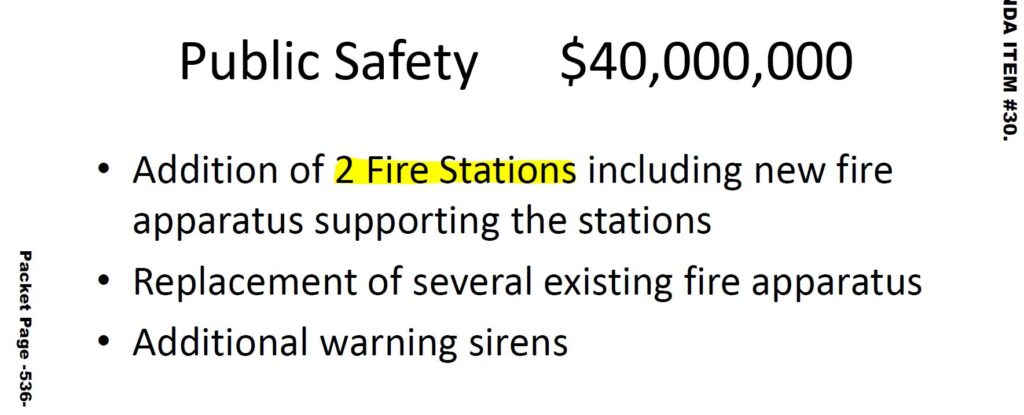
If the 2006 bond was for Fire Station 8 as reported by the DMN, then that means the 2 new stations proposed by the bond committee in 2014 for the 2015 bond election would be for Station 9 and Station 10. On the citizens bond presentation on page 543, it says, “addition of 2 Fire Stations including new fire apparatus supporting those stations.”
WHERE IS FIRE STATION 10? There is NO FIRE STATION 10 which should be located near the new PGA. So, even though we are building the PGA Frisco, The Link, and Fields with multi-million-dollar homes as of today we have no fire station to support that. Why would a city allow developers to build out an area without first providing it services?
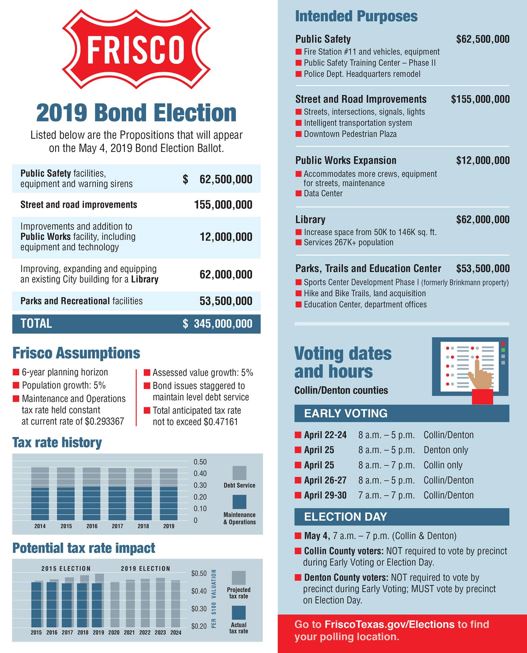
In 2019, voters passed another bond election for a total of $345 Million. Public Safety made up $62.5 Million of that. The pretty city flyer states that it is for Fire Station #11 and vehicles /equipment, a Public Safety Training Center (Phase 2), and a Police HQ remodel as stated in the city flyer. Guess what, as of today there IS NO FIRE STATION 11! Do you see the pattern?
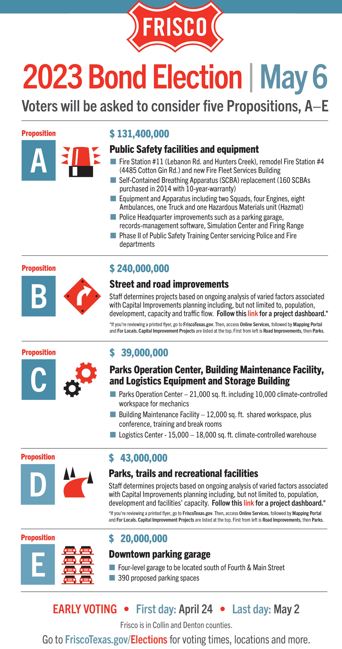
Now in 2023, the voters passed another bond for $473.4 Million. Out of that total $131.4 Million were for Public Safety, Facilities, and Equipment. The 2023 Bond Flyer said the money was for Fire Station #11, Remodel Fire Station #4, and Fire Fleet Services Building. WAIT – DID YOU CATCH THAT? PLOT TWIST… Why are citizens being asked to PAY for Fire Station #11 TWICE? Remember in the 2019 Bond Election that money was for Fire Station 11 and the vehicles/equipment it needed. WHY ARE CITIZENS PAYING FOR IT TWICE?
What is the point of us looking into the Bond Elections? As we stated earlier, since 2006 voters have been asked to approve a whopping total of $1,285,225,000 in bond propositions. Most of us check our home accounts weekly and balance our budgets to know where our money is going so why not watch what the city is doing with our money? As Cheney said, whatever we put out in front of voters they will approve because they trust us. Should we trust them? His excuse for not wanting an animal shelter was there was no plan but it appears there were not a lot of plans for many of the items they asked for over the years. We still have no PD parking garage, no cultural arts facility or larger theater, no new FD fire stations, and we could go on. As TAXPAYERS, you should be asking yourself WHERE IS THE MONEY? HAVE THEY SOLD THE BONDS? HAVE WE PUT TO MUCH TRUST IN OUR CITY WITH NO OVERSIGHT? HOW MANY TIMES ARE WE GOING TO BE ASKED TO PAY FOR THE SAME PROJECTS?






I went to her to ask for help with an issue my child that was getting nowhere with the school,…
So whatever became of the $17 million dollars that the city council gave the Mayor to beautify a drainage ditch?
At last count, there are 3 different "spa/massage" businesses in the small office park at the northeast corner of John…
I literally just saw this. Yeah, she used to forward everybody’s emails behind their backs.
You're dropping truth bombs! These mom and pop shops are what should be the least of Karen's worries. If they…